That Empty Chair Can Wait—or Can It?
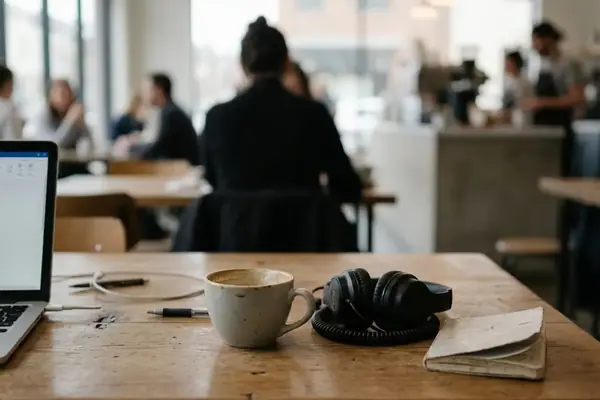
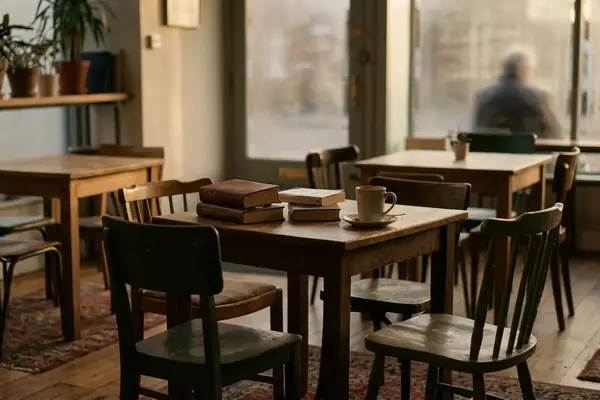
Stepping across the threshold of a neighborhood café during the mid-morning rush triggers a familiar 5-to-10-second doorway pause. Ahead of you, 4 to 6 customers are waiting at the register. Near the window, a single two-top table sits unoccupied. You feel the weight of your shoulder bag and calculate the risk: if you step directly into the line, someone else might claim that last table before you reach the till.
That split-second hesitation carries real operational stakes for casual dining rooms. Claiming a table before understanding the café's setup can leave other guests standing with hot plates, complicate staff directions, or leave you seated at a table where nobody comes to take your order.
Yet the impulse to drop a coat on a chair is completely understandable. Nobody wants to pay for an eat-in breakfast and a fresh pot of tea only to stand awkwardly near the sugar station with nowhere to sit. Resolving that tension requires looking past personal convenience to see how a single table fits into the broader rhythm of café culture.
A Claimed Table Changes More Than Your Own Wait
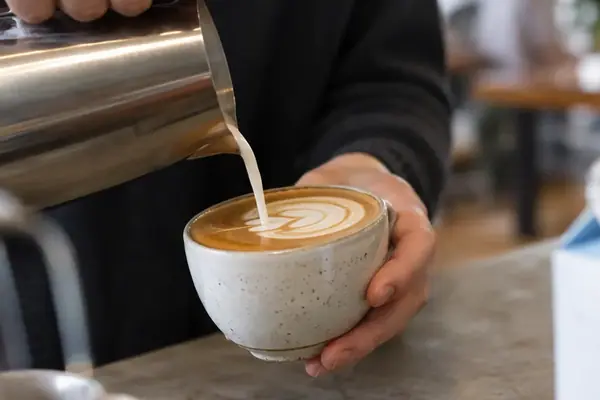
When an unattended canvas tote bag holds a two-top during an 8-to-12-minute register wait, that furniture disappears from the room's active rotation. Meanwhile, a guest holding a ceramic cup filled to the brim with a freshly steamed latte stands stranded at the handoff counter. The table isn't serving anyone; it is simply storing luggage while its owner inches toward the register.
Compact self-service cafés rely on continuous movement across four intersecting traffic paths:
- New arrivals joining the register line to browse pastries and drinks.
- Customers waiting near the espresso handoff bar for their coffee.
- Guests carrying loaded trays away from the counter toward open seating.
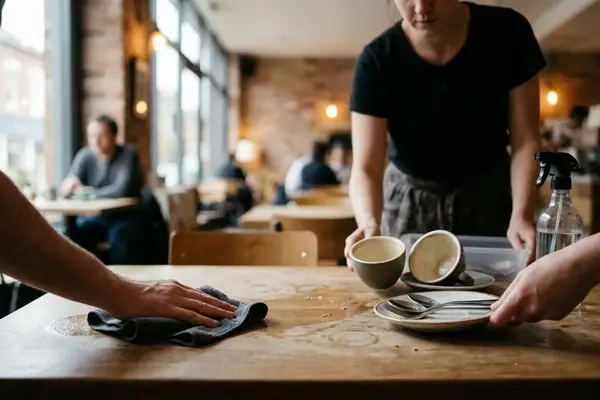
- Departing diners returning used crockery and spoons to the busing station.
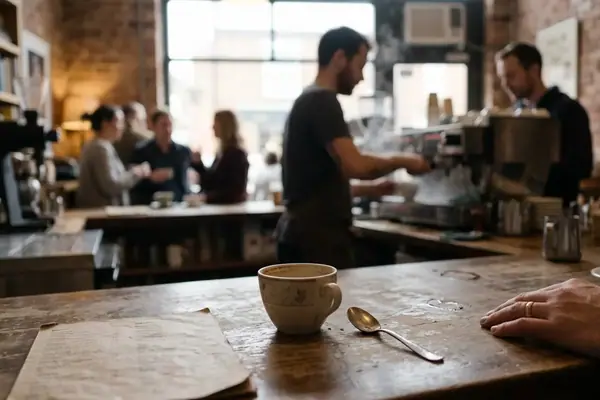
Ordering before sitting does not make the barista pull espresso shots any faster, as ticket volume remains identical regardless of where coats are draped. Unclaimed tables let guests move away from the pickup bar. Following a clearly established order-first system reduces uncertainty about where customers should go next, preventing a bottleneck of full trays around the register.
Check the Door, Counter, and Tables Before Joining the Line
First-time visitors often walk straight toward the nearest empty chair out of habit, treating a bustling coffee shop like a quiet extension of their home café. When I evaluate how guests navigate unfamiliar floor plans, I rely on a three-point doorway scan taking 10 to 15 seconds right inside the entrance.
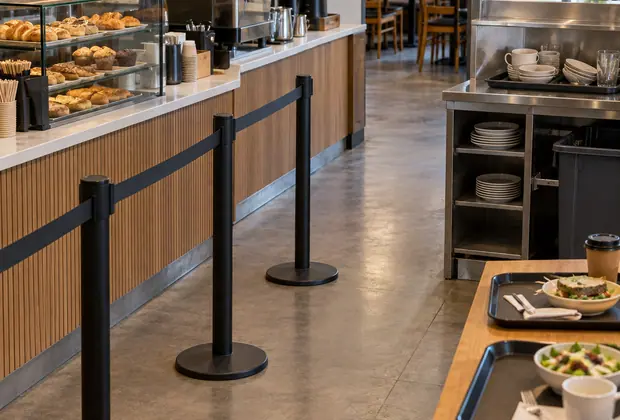
- Check eye-level entrance stanchions: Look for fixed threshold signage stating whether to wait for a host or proceed to the counter.
- Scan the register hardware: Spot wooden or metal number stands stacked by the till, which signal that staff deliver food to tables after you pay.
- Read the tabletops carefully: Observe whether laminated menus on tables are accompanied by water carafes or cutlery caddies.
Ambiguous clues frequently trip up well-meaning regulars. A menu resting on a table does not automatically mean table service is active, and counter payment alone does not prove you must queue before sitting. Some mixed-service venues ask guests to locate an open seat first so the kitchen knows where to run the plates. Reading the clues from the doorway to the counter keeps you from guessing wrong.
When Seats Are Scarce, Ask Before You Commit
What happens when the dining room looks completely full and you do not want to get stuck holding a dine-in meal with zero chairs available? Rather than dropping an umbrella on a stool to hedge your bets, address the uncertainty at the counter before paying.
Counter Check
Before committing to an eat-in payment when the room looks packed, use a direct check with the register staff: "Should I order first, or find a table?"
Baristas watch table turnover all morning. They can tell you immediately whether a booth is about to clear, whether you should hold off for a few minutes, or whether switching your order to a takeaway cup makes more sense.
Group visits during peak weekend brunch hours introduce another layer of nuance. If two people arrive together and one guest sits at a two-top table while the other joins a 5-to-10-minute counter queue, that arrangement often aligns smoothly with the café's flow—a person is actively occupying the seat, and the table will be ready to receive drinks the moment they are paid for. That differs sharply from spreading coats and laptops across a four-person booth before either person has ordered. If the only available spot is at a six-seat communal table, a quick verbal check with a solo diner before pulling out an empty chair ensures the spot isn't being held for someone currently at the restroom or counter.
Table Service and Seating Needs Change the Order
The order-first habit gives way in venues operating hybrid table-number tabs, counter queues dedicated solely to takeaway bags, or moments when a guest's physical mobility, pain, or caregiving load requires sitting down immediately upon arrival.
Consider a common mixed-service café layout: guests must first locate an open table, memorize a brass plate number fixed to the tabletop, and walk back to the counter to log their order under that specific table number. If you join the register queue first in that room, you will reach the cashier without a table number, holding up the line while you turn around to scan for an empty spot. Similarly, when a host stands by the door or servers take orders at tables, stepping into a counter line meant strictly for takeaway coffee disrupts the floor staff's pacing.
Human variability matters just as much as floor design. Situations involving physical fatigue, chronic pain, mobility aids, or managing a stroller and toddler change what is practical inside a crowded room. Sitting down immediately for 3 to 5 minutes to settle a child or rest aching joints before approaching the counter prevents physical strain and keeps narrow aisles clear of parked strollers. Good café etiquette leaves room for these realities instead of turning seating order into a rigid policing exercise among customers.
At an Order-First Café, Join the Queue Before Claiming a Table
Next time you pause inside the entrance of a busy coffee shop, let the room's setup guide your feet. Take those few seconds at the threshold to read the signage, ask the staff if seating looks tight, and resist the urge to drape outerwear over extra chairs while you wait.
Keep your bag straps on your shoulder and step directly into the counter queue whenever a self-service café's signage or layout directs guests to order before claiming a seat. Leaving open tables free for guests who already have full trays in their hands is the simplest, most generous habit you can bring to a crowded neighborhood dining room.