The Pastry Case Is Asking a Harder Question Than It Seems
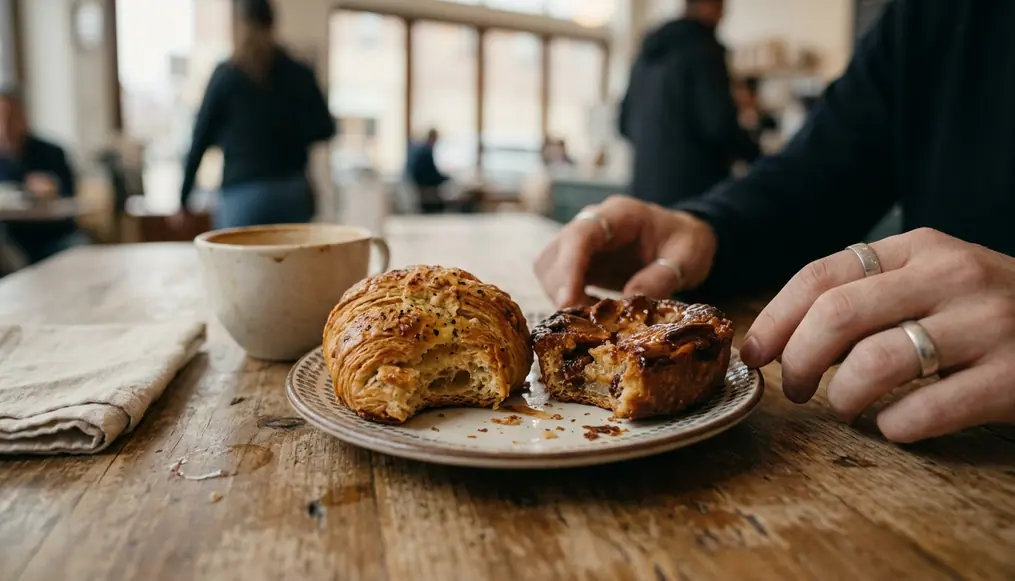
I have watched countless customers freeze at the register. You know the moment—standing between a glossy almond croissant and a warm spinach-feta pastry while already holding a coffee order in your head. The barista waits. The line shifts. You point to whatever looks largest.
The tension is real. Sweet pastries promise comfort and contrast. Savory pastries offer meal-like balance and longer satisfaction. Choosing poorly often results in a cloying sugar crash or a heavy palate that ruins a delicate coffee.
This guide removes the guesswork. You will learn how to choose based on flavor, drink, hunger level, and time of day rather than defaulting to habit.
A Simple Framework: Flavor, Texture, Drink, and Occasion
We structured the decision model around four practical pillars—flavor, texture, drink, and occasion. Beginners often look only at visual appeal. A better progression path involves understanding how ingredients interact with roasted coffee.
Sweet pastries tend to highlight butter, sugar, fruit, chocolate, nuts, spice, and caramelized crusts. These elements map closely to the Specialty Coffee Association’s Coffee Taster’s Flavor Wheel. Savory café pastries lean on salt, cheese, herbs, eggs, vegetables, cured meats, or umami-rich fillings.
Pro Tip: Flaky pastry pairs well with milk drinks, while dense muffins need enough beverage volume to wash them down.
When Sweet Café Pastries Are the Better Choice
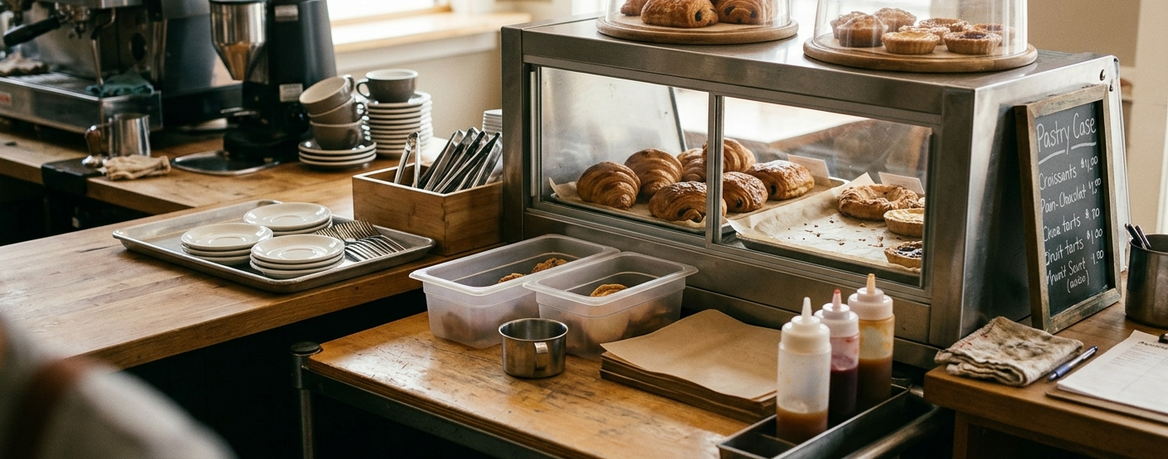
Sweet pastries are strongest when you want contrast with bitter coffee. They serve as a lighter treat or a leisurely café break rather than a full meal. Think of a plain croissant, pain au chocolat, cinnamon roll, fruit danish, almond croissant, lemon loaf, or blueberry muffin.
The pairing logic is straightforward. Chocolate works beautifully with medium and dark roasts. Fruit pastries complement brighter filter coffee or black tea. Almond and butter-rich pastries pair well with a cappuccino or café au lait.
Temperature plays a big role here. Milk steamed to roughly 140-150°F naturally enhances lactose sweetness. This temperature range dictates whether a butter-rich pastry will taste balanced or cloying alongside your latte.
When Savory Café Pastries Make More Sense
Savory pastries shine during lunch-adjacent visits. They provide longer satiety and offer drink pairings where salt and fat can soften bitterness. Common examples include the cheese scone, ham-and-cheese croissant, spinach-feta turnover, mushroom tart, quiche slice, sausage roll, and tomato galette.
Savory fillings add weight. The pastry behaves more like a casual meal than a snack. Protein and complex carbohydrates alter satiety significantly compared to simple sugars.
Temperature matters just as much for savory items. Savory pastries held in commercial warming cases at around 135-145°F maintain fat solubility. This heat level is crucial for the intended mouthfeel of cheese and cured meats.
Match the Pastry to the Drink You Actually Ordered
Texture, Temperature, and Freshness Can Override Flavor
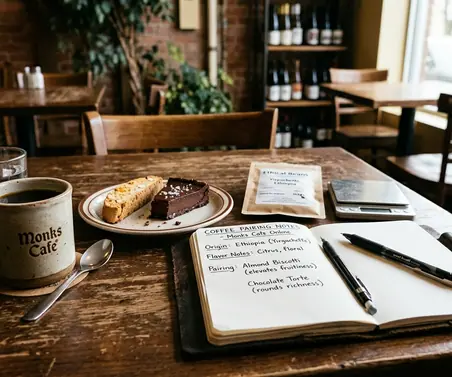
Abstract flavor theory falls apart at the table. A proven approach is to match the pastry to the realistic café order you just placed.
Espresso requires small, buttery, or chocolate pastries. Avoid oversized sugar-heavy pastries that overwhelm the short drink. A cappuccino or latte works with almond croissants, cinnamon rolls, plain croissants, and cheese scones because the milk rounds out both bitterness and salt.
Cold brew steeped for 12 to 18 hours has noticeably reduced titratable acidity. This lower acidity allows it to pair with salty or chocolate-heavy pastries without the sour clash that hot drip coffee might cause.
Mismatches ruin good beans. Nobody wants a delicate washed Ethiopian coffee tasting like lemon water when paired with an overly sweet frosted cinnamon roll.
Warning: Highly fermented natural-process coffees can clash violently with garlic or onion powders found in savory bakes, creating a harsh metallic aftertaste.
Let Time of Day and Hunger Level Decide the Tie
Morning rituals naturally lean toward sweet pastries. However, a savory pastry may be better before work, travel, or a long gap before lunch. By late morning, a buttery sweet pastry can feel indulgent, while a cheese or egg pastry may prevent the mid-day crash.
The 11:00 AM to 1:30 PM window tends to be the primary shift. During these hours, café patrons transition from ordering sweet accompaniments to savory meal-replacement pastries.
During the lunch hour, savory usually wins. It provides more meal structure, especially when paired with coffee, tea, or sparkling water.
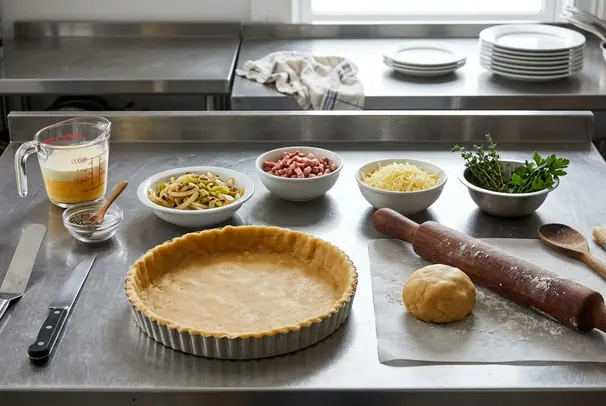
Freshness is often more important than the sweet-versus-savory category. A crisp, freshly warmed savory turnover easily beats a stale chocolate croissant. A just-baked fruit danish will elevate the experience over a lukewarm quiche slice.
Laminated doughs begin losing their crisp cellular structure within about 4 to 6 hours of baking. This happens due to ambient humidity absorption in standard display cases. A stale pastry's degraded texture will ruin a pairing regardless of how perfectly the flavor profiles match.
Texture rules apply across the board. Oily or cheese-heavy pastries need drinks that cleanse the palate, like sparkling water or batch brew.
A Note on Personal Taste, Dietary Needs, and Café Context
Pairing advice is contextual rather than universal. Café pastry quality, roast style, portion size, and personal taste all matter. While this approach focuses on standard specialty café menus, local baking traditions always introduce welcome exceptions.
Dietary needs change the equation immediately. Vegetarian fillings, pork-based pastries, nut allergens, dairy-heavy laminated dough, and gluten limitations dictate choices before flavor even factors in. Certified gluten-free options have improved dramatically, offering both sweet and savory alternatives.
Cultural context shapes expectations. Forum feedback points to regional variations where a cheese scone is considered a breakfast staple versus an afternoon snack.
Quick Choice Guide
| Beverage Profile | Best Pastry Match | Avoid |
|---|---|---|
| Bitter / Dark Roast | Sweet (Chocolate, Almond) | Overly salty savory tarts |
| Bright / Fruity Filter | Sweet (Fruit Danish, Citrus) | Garlic/Onion savory bakes |
| Milky / Sweet Latte | Savory (Cheese Scone, Quiche) | Heavy frosting |
Key Takeaway: The best pairing depends on your specific drink, the time of day, and the freshness of the pastry case.