The Best Brewer Is the One Your Morning Will Actually Allow
The best coffee brewing method is often not the most admired one. It is the one you will use when the sink has dishes in it, someone else needs the counter, and you have a 12-to-18-minute window before leaving the house.
That sounds unromantic, but it is where home coffee succeeds or quietly moves into a storage cabinet. Forum discussions suggest that high-maintenance brewing equipment is frequently abandoned within the first few weeks of purchase, especially when the method asks for more attention than the morning can spare.
I have watched this happen with a beautiful glass pour-over setup: bought with good intentions, then sidelined because the continuous pouring clashed with making breakfast for children. The coffee was lovely on a quiet Saturday. On a school morning, it was a small glass monument to wishful thinking.
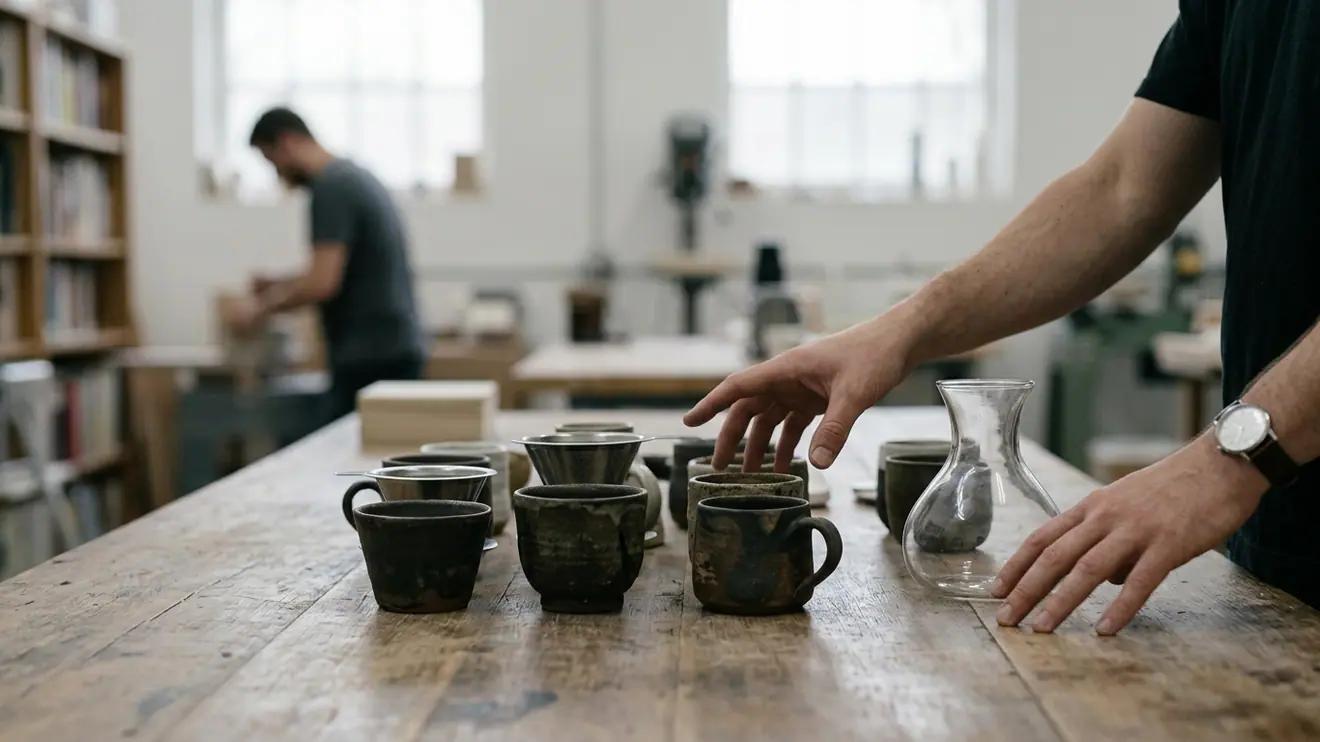
So this guide does not rank brewers by prestige. It sorts them by fit: time, attention, flavor preference, batch size, equipment storage, and repeatability.
Key Takeaway: Choose the method that matches your normal morning, not your most patient version of yourself.
What fit looks like in practice
A good match feels boring in the best way. You know where the filters are. You know how long the kettle takes. You can repeat the cup without turning breakfast into a science project.
The practical promise here is simple: by the end, you should have a short list of brewing methods that belong in your daily rhythm, not a generic winner that looks better in a product photo than it feels at 7:12 a.m.
Start With Five Questions Before Buying Another Brewer
Before you buy another brewer, ask five questions. Not because coffee needs to be complicated, but because the wrong tool usually fails for ordinary reasons.
1. How much active time do you have?
Separate active time from total time. Pour-over may take only 3-to-4 minutes of active pouring, but those minutes ask you to stand there. Automatic drip may need a short setup and then 8-to-12 minutes of passive brewing, which lets you pack a lunch or answer the dog at the door.
If you have under 5 minutes of attention, look for methods that tolerate stepping away. If you have 5-to-10 minutes, you can consider brewers with a little more handling. A relaxed 15-minute window opens up the field.
2. Are you making one cup, two cups, or a pot?
A single-cup brewer can feel elegant until a second person wants coffee. A pot can feel wasteful if you only drink one mug. This is where households should be honest rather than aspirational.
If two people drink coffee at different times, repeatability may matter more than ceremony. If everyone drinks together, an automatic drip machine earns its counter space quickly.
3. Which flavor profile do you actually enjoy?
Use plain language. Do you like clean and bright coffee, rich and heavy coffee, concentrated and bold coffee, or mellow cold coffee?
That answer matters more than whether a method is fashionable. A French press drinker who loves body may find paper-filtered coffee thin. A pour-over drinker may find French press coffee pleasantly rustic or simply muddy, depending on the grind.
4. How much cleanup will you tolerate?
This is the question people skip, then regret. Scooping wet grounds out of a French press is a different daily act than lifting out a paper filter. Neither is morally superior. One is just messier.
5. Where will the equipment live?
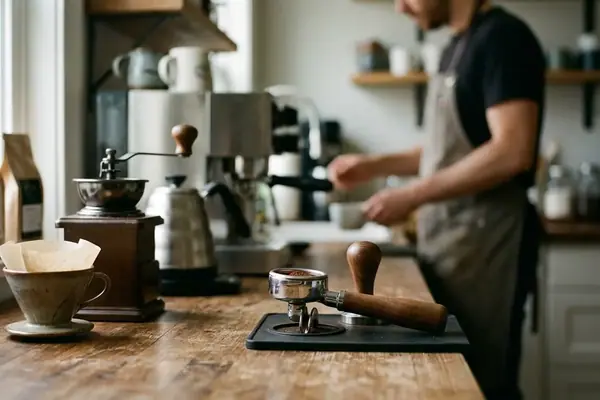
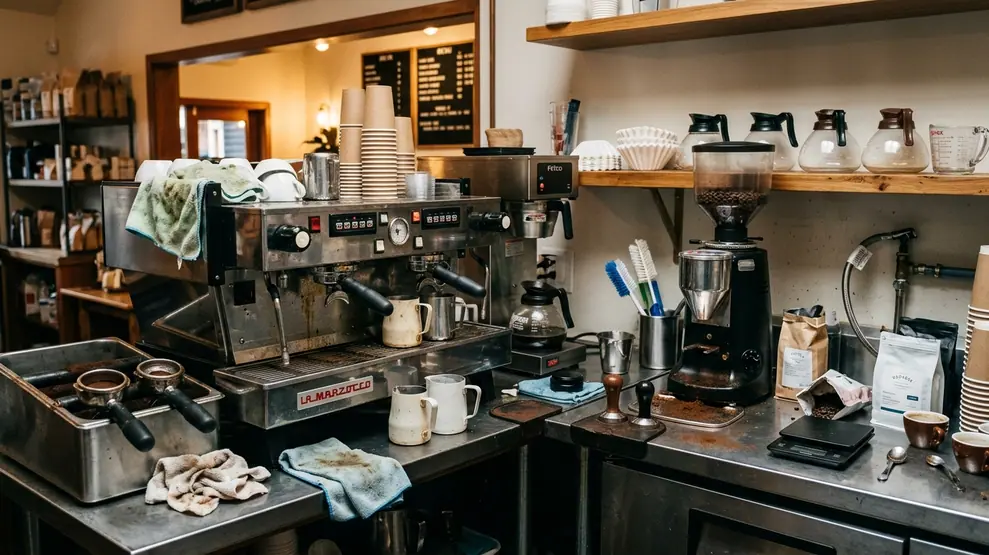
Counter space is not abstract. A standard drip brewer can sit within a roughly 6-by-8-inch footprint, while an espresso setup may bring a grinder, knock box, tamper, towels, and cleaning supplies with it.
Pro Tip: Before buying, place a dinner plate on the counter where the brewer would go. Leave it there for two days. If it annoys you, the brewer probably will too.
Match Common Brewing Methods to Real Daily Routines
Brewing methods make more sense when sorted by hands-on requirements. We initially tried organizing brewers by roast preference, but that fell apart fast: a dark roast drinker with only four minutes needs a different answer than a dark roast drinker with a quiet kitchen and no commute.
Routine matrix
| Method | Active Time | Passive Time | Cleanup Effort |
|---|---|---|---|
| Auto-Drip | 1-2 mins | 5-10 mins | Low: toss filter, rinse pot |
| French Press | 1 min | 4-5 mins | High: scoop and rinse grounds |
| Pour-Over | 3-4 mins | 0 mins | Low: toss filter |
Automatic drip coffee maker
Automatic drip is best for households, repeat cups, low-effort mornings, and people who want coffee ready without hovering. It is not the most dramatic method, but drama is overrated when three mugs need to happen before anyone finds their keys.
The main advantage is reliability. Once the ratio and grind are close, the machine repeats the process with little input from you.
French press
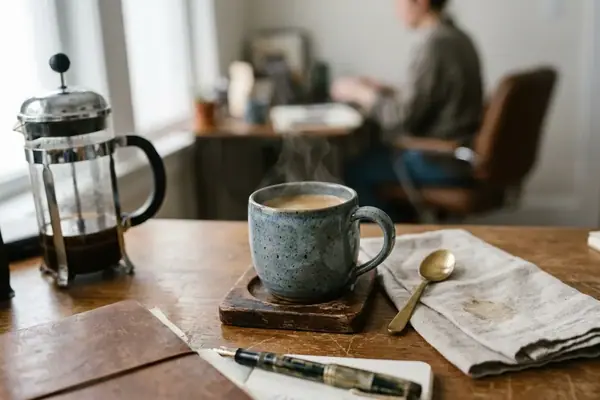
French press suits slower mornings, fuller body, simple equipment, and drinkers who do not mind sediment or a heavier cup. It asks little during brewing, but it asks more at cleanup.
A French press produces a rich, heavy cup with a coarse grind. If the grinder produces too many fines, though, the cup becomes muddy and over-extracted regardless of the brewer.
Pour-over
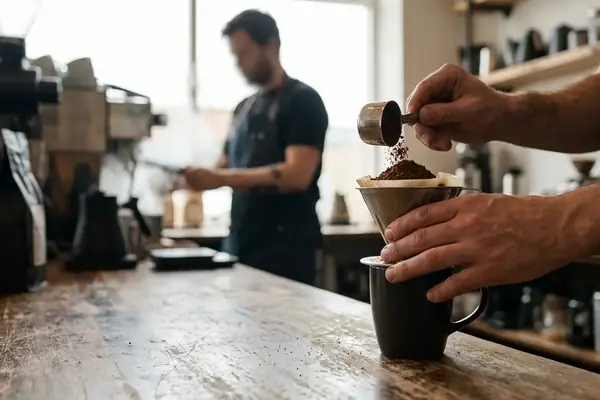
Pour-over works for people who enjoy a small ritual, cleaner flavors, and hands-on control over water flow and extraction. It rewards attention.
It also requires attention. If your morning involves multitasking, the method may feel less like meditation and more like being trapped beside a kettle.
Cold brew and concentrated methods
Cold brew is a planning method, not a speed method. The steep time runs 12-to-16 hours, but the payoff is a mellow cup waiting in the refrigerator.
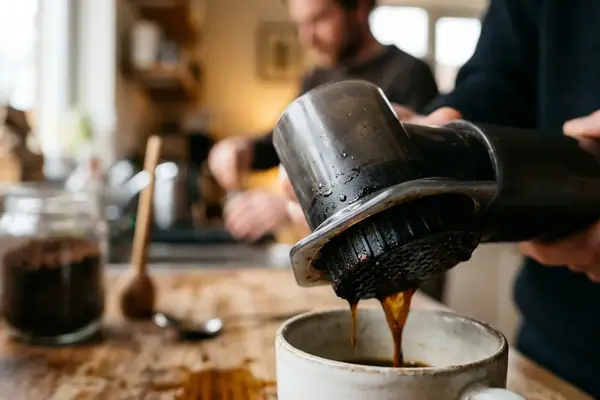
Immersion-pressure brewers can produce a concentrated cup with a 2-to-3-minute extraction, which appeals to people who want intensity without a full espresso machine. The tradeoff is that small changes in grind and timing show up quickly.
Choose for Taste: Body, Clarity, Strength, and Control
Beginners often start by asking which method makes the best flavor. A better question is: what texture do you want?
Brewing method changes mouthfeel as much as flavor. Paper filters usually give a cleaner cup because they hold back more oils and fine particles. Metal filters and immersion methods can feel richer, heavier, and more coating on the tongue.
If you want clarity
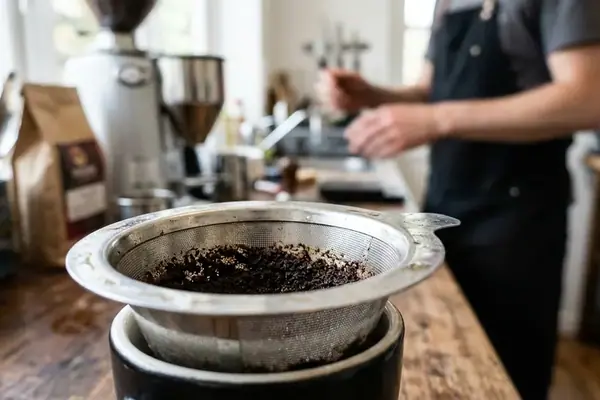
Start with pour-over or another paper-filtered method. These methods tend to separate flavors more clearly, especially when the coffee is fresh and the grind is consistent.
Clarity can be unforgiving. If the grind is too fine or the pouring is uneven, the cup may taste sharp, hollow, or bitter in patches.
If you want body
Choose French press or another immersion method with metal filtration. The cup will usually feel rounder and heavier.
This is comforting coffee. It is also less filtered coffee, so some sediment is part of the bargain.
If you want intensity
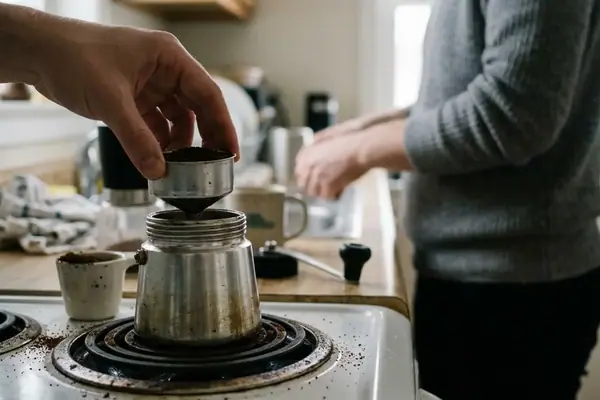
Moka pot brewing leans toward concentrated, bold coffee. It can make a small cup feel substantial, especially for people who add milk.
Intensity is not the same as caffeine. Strength can mean concentration, roast perception, brew ratio, or dilution. A small concentrated cup may taste stronger than a larger mug even when the caffeine story is more complicated.
If you want control
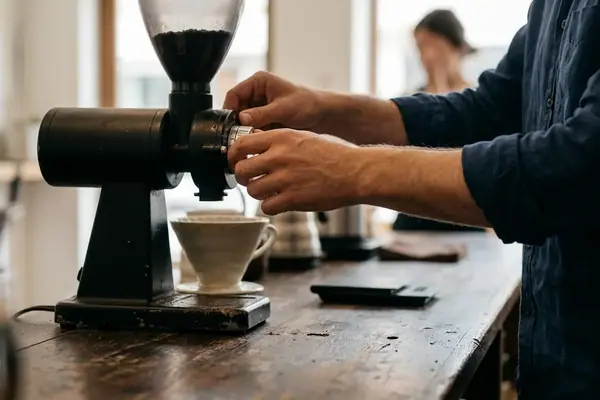
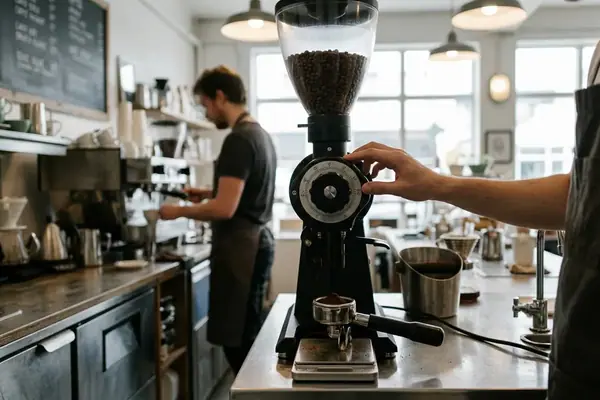
Control comes from changing one detail and tasting the result. Shifting grind size by 2-to-3 micro-adjustments on a burr grinder can change the cup noticeably. Altering extraction time by 15-to-20 seconds can do the same.
Advanced tip: write down only the change you made. If you change grind, ratio, and time together, you learn almost nothing from the next cup.
Do Not Ignore Cleanup, Counter Space, and Replacement Costs
Cleanup is not a side issue. It is part of the method.
The cleanup reality
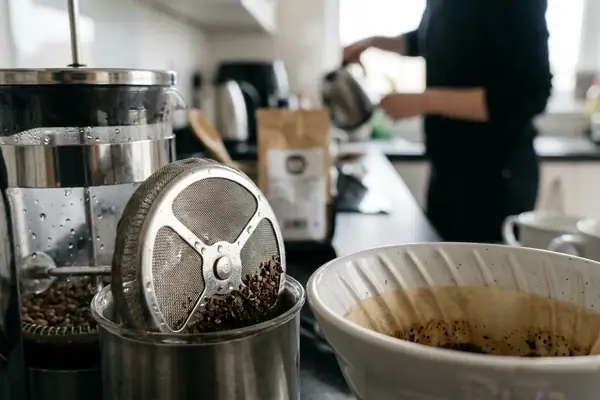
Paper filters are tidy but recurring. French press screens need rinsing, and the wet grounds cling to everything at the exact moment you want to leave the kitchen. Moka pots need cooling and disassembly before they are cleaned properly. Espresso machines need regular maintenance, not just a wipe across the front panel.
Forum feedback confirms the same pattern again and again: people underestimate cleaning, then blame the brewer for feeling inconvenient.
Warning: If you hate cleaning small parts, do not convince yourself that a maintenance-heavy setup will become charming later.
The storage catch
Compact brewers are not always compact systems. One catch: a French press saves counter space, but it still needs a kettle and grinder, so the actual storage footprint can be larger than the brewer itself.
Small kitchens reward honesty. If your counter already has a toaster, dish rack, fruit bowl, and mail pile, a sprawling coffee setup may become one more thing to move before cooking dinner.
The budget after the brewer
The brewer is only one cost. A grinder, filters, scale, kettle, or descaling supplies may matter more over time.
Water hardness also changes upkeep. Many machines need descaling every 3-to-4 months depending on water hardness. Ignore that, and the coffee can taste flat while the machine works harder than it should.
The Tradeoff: No Brewing Method Fixes Every Coffee Problem
This guide helps choose a brewing method. It does not replace freshness, grind quality, water quality, or sensible bean choice.
Expensive equipment cannot compensate for stale beans or a mismatched grind. The optimal brewing window often sits between roughly 7 and 28 days post-roast, and coffee outside that range may still be drinkable, but the method has less to work with.
Convenience is not a flaw
Convenience methods are not inferior. They simply optimize for reliability and ease rather than maximum control.
That distinction matters. A programmable drip machine that makes a steady pot every morning may serve a household better than a manual brewer that produces one excellent cup twice a month.
Where method stops helping
If coffee tastes sour, bitter, papery, or thin, the brewer is only one suspect. Grind size, water temperature, ratio, and coffee age may be doing more damage than the device itself.
So buy with humility. A better brewer can make brewing easier to repeat, but it cannot rescue every bag or every habit.
Use a Seven-Day Test Before Committing
The cleanest way to choose is not to read another ranking. Test two realistic methods for 7 consecutive days.
Step 1: Pick two methods you would actually use
Do not compare a fantasy espresso setup with a drip machine if you have no space, grinder, or patience for espresso maintenance. Choose two methods that could plausibly live in your kitchen.
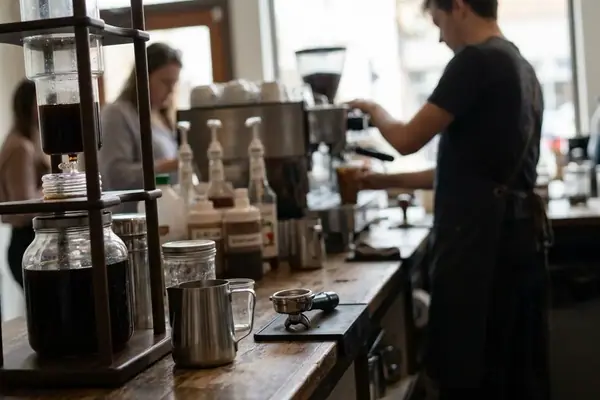
Borrow a brewer if you can. Use a café brew bar as a reference point. Or start with low-cost equipment before investing heavily.
Step 2: Brew on normal mornings
Use weekdays and the weekend. The point is to experience both the rush and the leisure with the same equipment.
Track three variables: prep time, active brew time, and cleanup duration. Then add a plain-language taste note, such as bright, heavy, thin, bitter, smooth, or good with milk.
Step 3: Change only one variable at a time
If the cup is close but not right, adjust one thing: grind, ratio, or brew time. Keep the rest steady.
This is where confidence builds. You stop asking which method is best in general and start seeing which method behaves well in your hands, in your kitchen, with your coffee.
Step 4: Ask the repeat question
At the end of each brew, ask one blunt question: would I do this again tomorrow?
If the answer is no for three ordinary mornings in a row, believe yourself. The right coffee brewing method should not need constant persuasion. It should meet you where the morning actually begins.