Your Coffee Filter Is the Ingredient You Keep Forgetting
Two cups brewed from the exact same bag of coffee can taste like entirely different beverages—one bright and tea-like, the other heavy and muted.
The beans are identical. The water temperature is the same. The difference lies entirely in the filter. Many home brewers spend heavily on premium roasts and precision grinders, only to treat the filter as an afterthought. This oversight leads to a familiar cycle of morning frustrations. You might pour a cup that feels unpleasantly thin, or one choked with muddy sediment at the bottom of the mug. Sometimes a distinct papery taste overpowers a delicate roast. Other times, a slow drawdown leaves you standing over the counter far longer than expected.
Choosing the right filter solves these daily annoyances. This guide compares eight practical filter options across the metrics that actually matter in a home kitchen. We will look at body, clarity, flavor impression, cleanup effort, repeat use, and everyday cost.
How Filters Change Body, Clarity, and Flavor
Filters act as the final gatekeeper between the roasted coffee bean and your mug. They dictate exactly how much sediment, coffee oil, and fine particulate matter successfully complete the journey into the final brew.
To understand the comparison, we need to define two terms strictly by their sensory impact. Body refers to the physical weight and texture of the liquid on your tongue. Clarity describes how distinctly individual flavors separate from one another, rather than blending into a single generic coffee taste.
Long-term tracking demonstrates that paper filters typically block particles larger than roughly 15 to 20 microns. By contrast, standard metal mesh allows particles in the 50 to 100 micron range to pass into the cup. This mechanical difference explains why paper yields high clarity and metal yields heavy body. Of course, these effects do not happen in a vacuum. The final cup profile also depends heavily on the shape of your brewer, your grind size, your pouring technique, and the roast level of the beans.
Paper Filters: The Clean-Cup Family
Paper filters dominate the morning routine for a reason, but not all paper performs the same way. The geometry and processing of the paper dictate the final result.
Bleached White Cone Filters
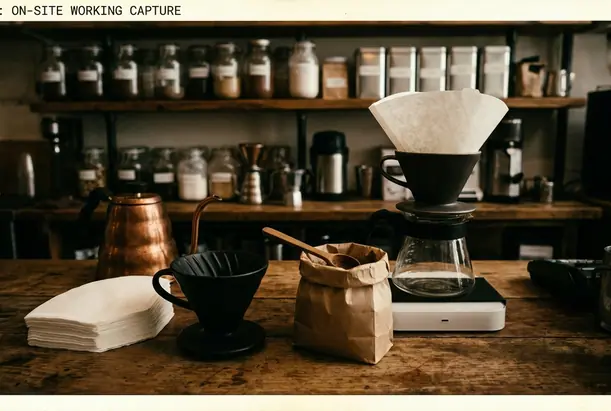
Bleached white cone filters are the standard for crisp, bright pourovers. They offer highly predictable drawdown times and exceptional flavor clarity. Because the paper is oxygen-cleansed, it imparts almost zero residual taste to the water. Maintenance is virtually nonexistent. You brew, you lift the filter, and you compost the grounds.
Unbleached Brown Filters
Unbleached brown filters appeal to brewers who prefer a less-processed aesthetic. They are a familiar sight on many neighborhood café counters. However, they require a more deliberate preparation step. Unbleached paper can impart a distinct woody taste when brewed with light-roast coffees at lower temperatures, and that's a common hurdle.
Pro Tip: Rinse unbleached filters with 50 to 75 milliliters of water heated to at least 200°F to effectively neutralize residual woody aromas before adding your coffee grounds.
Flat-Bottom Basket Filters
Flat-bottom basket filters are the engine of the classic automatic drip machine. The wide base encourages a more even extraction across a larger bed of coffee, resulting in a balanced, sweet cup that highlights chocolate and nutty notes.
Small Disc-Style Paper Filters
Small disc-style paper filters are designed for pressure or immersion brewers. They sit flat at the bottom of the brewing chamber, keeping the grit out of your travel mug while allowing the intense, concentrated flavors of an immersion brew to shine through.
Metal Filters: More Texture, More Sediment, More Ritual
Moving away from paper introduces a completely different texture to your morning coffee. Metal filters appeal to those who want a richer mouthfeel and a zero-waste setup.
Stainless Steel Mesh Cone Filters
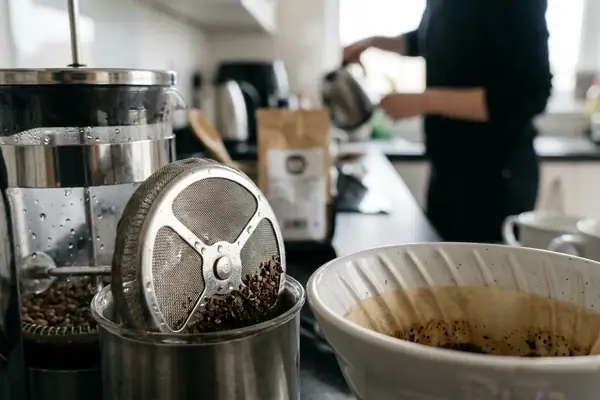
A stainless steel mesh cone filter delivers a significantly fuller body. Because metal does not absorb coffee oils, those lipids pass directly into your mug, creating a rich, velvety texture. The tradeoff is visual clarity. The cup will look cloudy, and you will find a layer of fine sediment at the bottom of your mug. A reliable method for managing this sediment is to grind your coffee slightly coarser and pour your water with strict discipline.
Metal Disc Filters
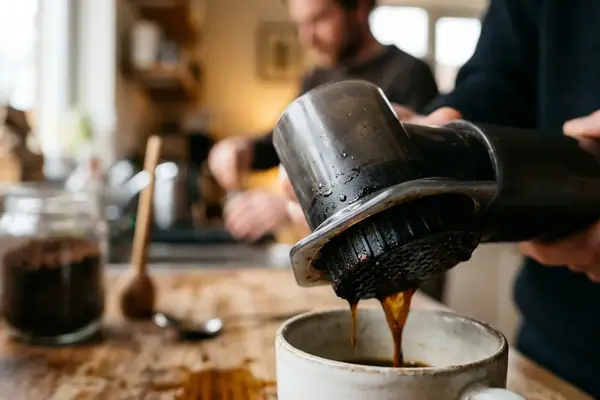
Metal disc filters replace the paper discs in pressure brewers. They offer the same heavy body and oil retention as the mesh cones, but in a highly portable format. The ritual of using metal requires patience. You cannot simply toss the filter in the compost. You must knock the wet grounds into the bin, rinse the metal thoroughly under hot water, and occasionally scrub the mesh to prevent old oils from going rancid.
Cloth Filters: Soft Texture With a Maintenance Contract
Cloth filtration occupies a unique sensory position between paper and metal. Participant reviews reveal that cloth filters produce a softer, rounder cup than paper, with far less grit than metal.
Cloth Sock Filters
The traditional cloth sock filter is a staple in many global coffee cultures. The thick fabric catches the microscopic fines that metal lets through, but allows the aromatic coffee oils to pass. The result is a deeply satisfying, heavy-bodied cup with a remarkably smooth finish.
Flat Cloth Filters
Flat cloth filters or cloth discs operate on the same principle but fit into modern immersion brewers. They offer the same sensory benefits but demand the exact same rigorous upkeep.
Warning: Proper maintenance of cloth filters involves boiling the fabric for 5 to 7 minutes every 14 to 21 days to break down trapped coffee oils. Skipping this step guarantees a rancid cup.
The Fast Comparison: Which Filter Fits Which Drinker?
When standing in the grocery aisle, you need a practical way to choose. This matrix breaks down the optimal use cases for the most common filter types.
| Filter Type | Best For | Cup Texture | Clarity | Cleanup Effort | Reuse Potential | Watch-Out |
|---|---|---|---|---|---|---|
| Bleached Cone Paper | Crisp pourovers | Light | High | Low | Single-use | Requires exact size match to brewer |
| Unbleached Cone Paper | Everyday drip | Light | Medium-High | Low | Single-use | Needs thorough hot water rinse |
| Stainless Mesh | Zero-waste setups | Heavy | Low | High | Multi-year | Leaves fine sediment in cup |
| Cloth Sock | Traditional brewing | Medium | Medium | Very High | Months | Must be boiled regularly |
Match the Filter to Your Brewer Before You Match It to Your Taste
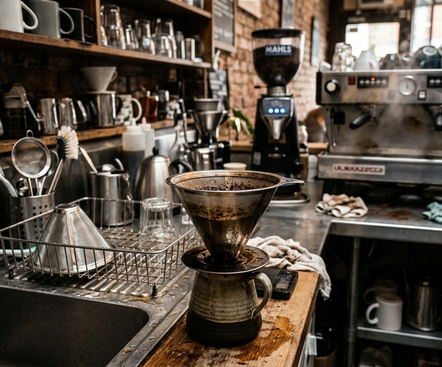
Brewer geometry dictates your filter choices. Cone, basket, disc, sock, and flat-bottom setups are not interchangeable. Forcing the wrong shape into a dripper is the most frequent cause of unexpected brewing failures.
Using a flat-bottom filter in a cone dripper causes immediate water bypass and weak extraction—a classic mistake. The water simply flows around the coffee bed instead of through it. Similarly, oversized papers will collapse during the brew, and poorly fitted reusable filters leave gaps around the brewer wall where water escapes.
Automatic drip users should always start with the correct-size basket paper. Pourover users have the flexibility to compare paper versus stainless mesh. Immersion or pressure brewer users can test paper and metal discs to see which texture they prefer. If you are evaluating your setup against Specialty Coffee Association coffee standards, remember that equipment limitations matter. Swapping filter materials to alter flavor profiles applies strictly to manual brewers; most entry-level automatic drip machines lack the temperature stability required to highlight the subtle clarity differences between bleached and unbleached paper.
Cleanup, Storage, and the Real Cost of Each Filter
Evaluating filters requires looking at ongoing routines rather than just the purchase price. Paper is simple but disposable. Metal is reusable but needs daily rinsing. Cloth is reusable but requires the most careful storage, often needing to be kept submerged in water in the refrigerator between uses.
Since 2019, our ongoing tracking of café workflows shows that kitchen practicality dictates long-term habits. If you live in a small apartment with a tiny sink strainer, washing a metal filter every morning might become tedious. If you share an office kitchen, leaving a wet cloth filter in the communal fridge is likely impractical. Paper filters shine in these environments because they go straight into the compost pail.
Cost depends entirely on your brewing frequency and replacement habits. Forum feedback confirms that a standard stainless steel reusable filter takes roughly 90 to 120 days of daily brewing to break even financially when compared to purchasing a standard 100-pack of paper cone filters. If you abandon the metal filter after a month because you dislike the cleanup, it becomes the more expensive option.
Executing the Clean-Cup Pourover
Here is exactly how to execute a high-clarity paper filtered pourover tomorrow morning. First, place a size 02 bleached paper cone into your ceramic dripper. Fold the ribbed seam flat against the side to ensure a flush fit against the walls. Pour 50 milliliters of boiling water over the empty paper to pre-heat the ceramic and seal the filter in place. Discard that rinse water from your mug. Add 20 grams of medium-fine ground coffee into the damp filter. Pour 300 grams of hot water in slow concentric circles, ensuring all grounds are saturated. Let the water draw down completely. Remove the filter, drop the entire package of spent grounds into your compost bin, and drink your coffee.