If Coffee Is Faster Than Ever, Why Do Cafés Feel More Necessary?
Ordering coffee has become a frictionless exercise.
App-based systems have compressed the transaction into roughly a two-minute window from door to counter for mobile order pickups. You tap a screen, walk inside, grab a cup from a designated shelf, and leave without speaking a single word. Yet, many people still bypass the pickup shelf to wait in line. They actively seek the physical space itself.
Neighborhood cafés matter not because they offer the most efficient route to caffeine. They matter because they create repeatable moments of public familiarity. A transaction is merely an exchange of goods. A café visit is a deliberate pause in the rhythm of city life.
The Café Is Not Just a Place to Buy Coffee
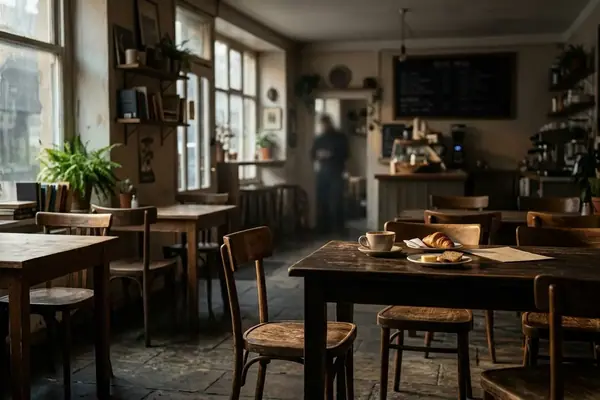
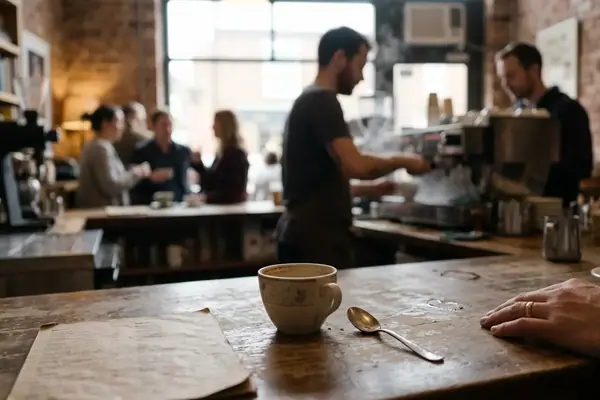
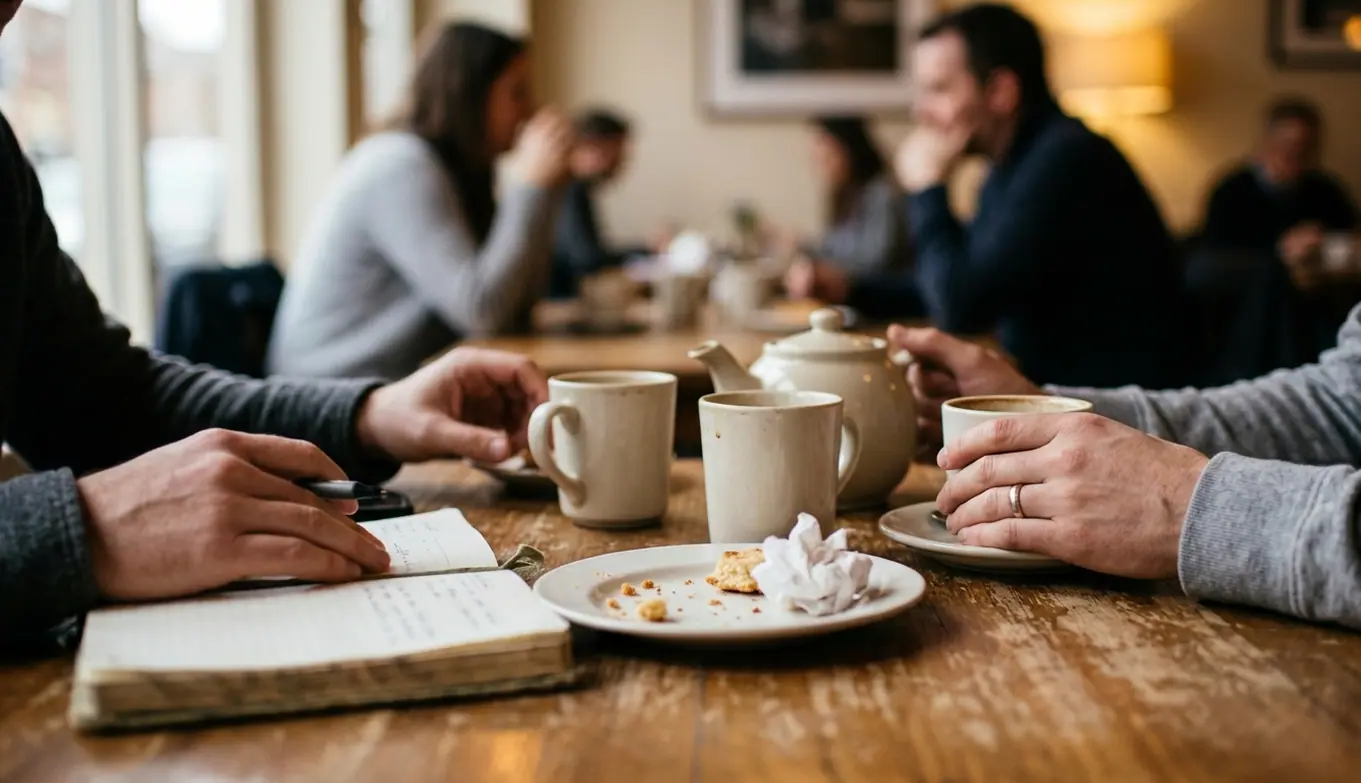
A neighborhood café functions as informal social infrastructure. It serves as a semi-public room where people can be alone together.
Regular faces and predictable routines build a sense of local continuity. Since its publication in 2023, the U.S. Surgeon General’s 2023 advisory on social connection has provided institutional weight to what urbanists have long argued. Everyday social contact matters deeply to public health. Cafés do not cure loneliness outright. They simply offer a tested environment for low-pressure interaction.
You do not need to know the person sitting at the next table to feel a sense of belonging. The shared environment provides enough social grounding to anchor a morning routine.
Small Rituals Make a Neighborhood Legible
Everyday rituals make a neighborhood legible to its residents.
Consider the early commuter window, roughly 6:45 to 8:15 in the morning. A parent maneuvers a stroller through the heavy glass door. A remote worker claims the exact same table by the window. A regular deliberately chooses a ceramic mug over a paper cup. These micro-interactions illustrate the unique rhythm of a specific place.
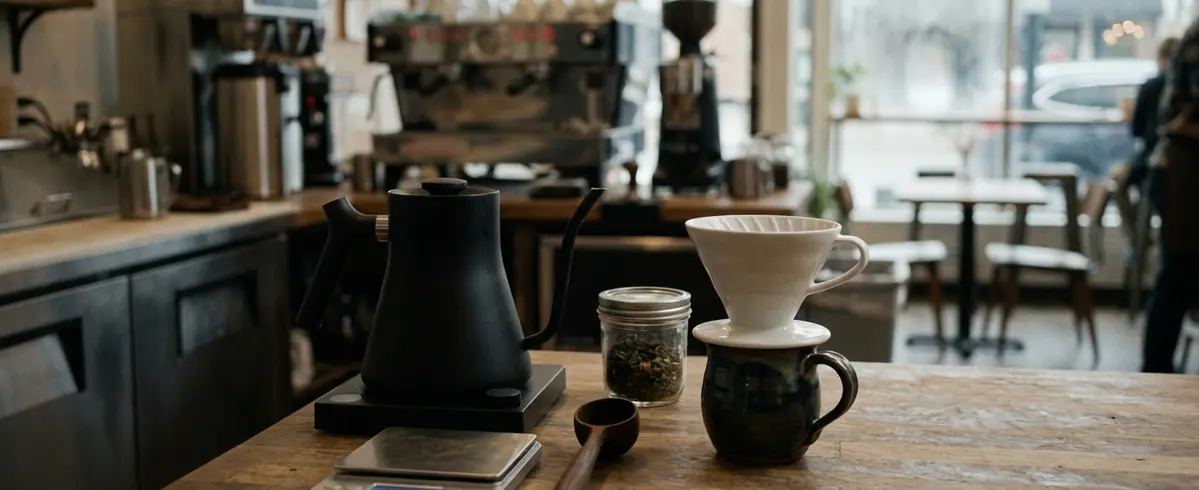
Casual dining habits become cultural markers without requiring formal community events. These small, repeated scenes help residents recognize their own neighborhood. They transform an anonymous street corner into a recognizable landmark.
What Takeout Solves—and What It Cannot Replace
Takeout remains highly convenient.
It is often necessary for busy schedules, mobility limits, and cost-conscious routines. We cannot dismiss the value of a quick transaction for someone rushing to a shift or managing a tight budget. However, convenience does not render the physical café irrelevant. Speed delivers the product. It cannot deliver the atmosphere or the incidental conversation.
We see a clear failure case: a café designed entirely around a mobile-order pickup rack that inadvertently eliminates all physical space for lingering. This approach sacrifices the sense of place for optimal throughput.
Pro Tip: Designing a space exclusively for speed often alienates the core demographic that sustains a café during off-peak hours.
Hospitality Is a Form of Local Memory
Good hospitality accumulates slowly.
It relies on quiet recognition rather than formal service training. Baristas remember names, preferred milk choices, and seating habits. My ongoing observations of casual dining patterns suggest that this accumulated local memory builds lasting trust. The value stems directly from repeated, low-stakes interactions.
While these findings rely heavily on self-reported community surveys, the underlying pattern remains clear. People return to spaces where they feel seen. A simple nod from behind the espresso machine carries more weight than a loyalty punch card.
The Limits of the Romantic Café Argument
We must acknowledge the limits of this romanticized view.
Not every café is welcoming, accessible, or fairly staffed. One catch: the concept of the café as an inclusive neighborhood living room breaks down entirely when a standard drip coffee is priced at a premium that excludes legacy residents of that specific block. A space cannot claim to serve a community if its menu actively prices out the people who live upstairs.
Neighborhood context dictates function. There is a stark difference in social function between a café on a dense urban pedestrian block and one located in a suburban strip mall. The urban café relies on foot traffic and spontaneous encounters. A suburban café often serves as a planned destination.
Warning: A space cannot function as a true community hub if its pricing model actively displaces the surrounding neighborhood.
The Future Café Should Be Slower on Purpose
Cafés do not need to compete with apps on speed alone.
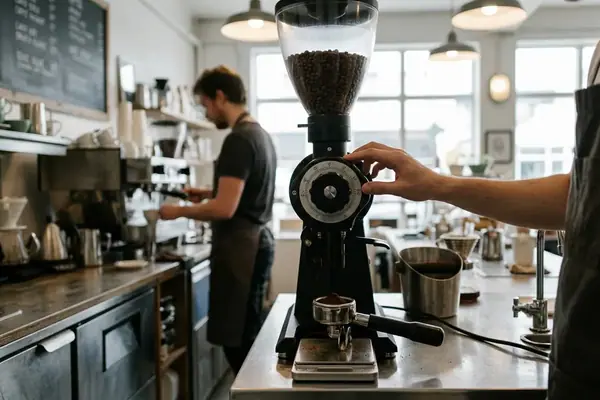
They should embrace deliberate friction. Owners can implement actionable spatial and operational choices to remain meaningful. Visible community boards, simple menus, and dedicated laptop-free zones encourage interaction. Serving drinks in ceramic cups signals that a customer is welcome to stay.
These dependable anchors of hospitality ensure the space serves its community well into the future. The goal is not to process orders faster. The goal is to make the time spent waiting feel worthwhile.
Key Takeaway: Neighborhood cafés matter when they offer a durable public room, not just a faster beverage.