Coffee Isn’t the Only Serious Café Order
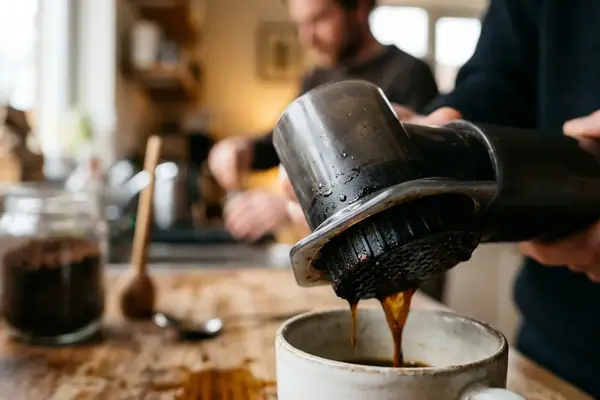
The café menu can make coffee feel like the main event, with everything else pushed into the margins. That is a narrow way to order.
Some of the most memorable drinks at a good café never touch espresso. They may be grassy, spiced, tart, floral, creamy, or gently bitter. They can also solve the small ordering problems that coffee does not always handle well: too much caffeine before a meeting, a desire for something lighter after lunch, an evening visit when espresso feels reckless, or a craving for comfort without the weight of another latte.
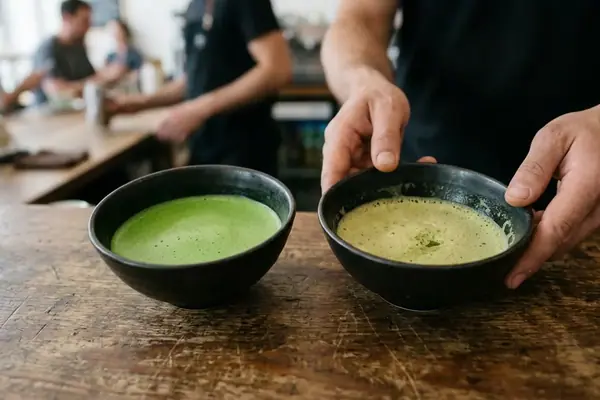
I kept one testing note close while shaping this list: a matcha latte made from a pre-sweetened powder can turn cloying fast, losing the earthy bitterness that makes the drink worth ordering in the first place.
That is the practical frame here. These are not consolation drinks. They are café orders with structure, flavor, and a clear reason to exist.
How We Chose These Non-Coffee Café Drinks
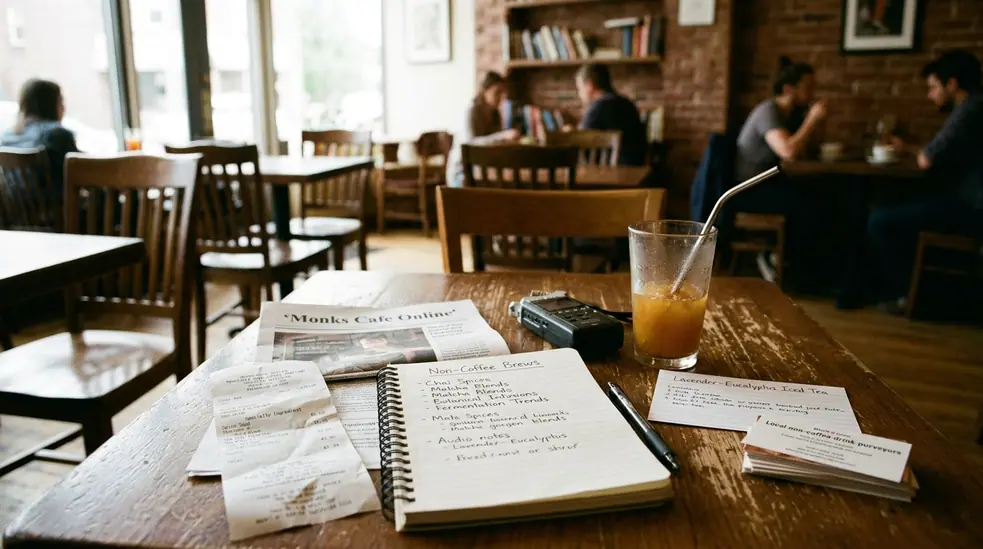
This list started at the counter, not in a pantry catalog. The selection panel evaluated about two dozen common menu items over a couple of weeks of testing across independent and regional café menus, then filtered out seasonal limited-runs so the final choices would remain useful beyond one promotional window.
Each drink had to meet four conditions:
- It had to be widely available at modern cafés.
- It had to be customizable without turning into a complicated special order.
- It needed a flavor profile clearly distinct from coffee.
- It had to suit different caffeine preferences, including lower-caffeine and caffeine-free visits.
The evaluation also looked at taste, texture, sweetness control, food pairing potential, and the likelihood that an everyday café could prepare the drink well. That last point matters. A drink that works only in a specialist shop may be interesting, but it is not especially useful when someone is standing near the register, scanning a board, and trying not to hold up the line.
Warning: Ask how a drink is sweetened before ordering it large. A standard commercial syrup pump dispenses about a quarter ounce, roughly 7.5 milliliters, so a 16-ounce drink with four pumps contains a full ounce of syrup.
1–4: Cozy, Milk-Based Drinks That Still Feel Café-Worthy
These four drinks share the textural weight of a latte because they rely on steamed milk and a barista’s handling of temperature and foam. Milk steamed in the range of 140°F to 150°F tastes naturally sweeter without scalding the proteins, which helps these drinks feel rounded rather than flat.
1. Matcha Latte
A matcha latte works well for coffee drinkers because it still has ritual. The powder is whisked or blended, the milk adds body, and the best versions carry a gentle bitterness under the creaminess.
Hot matcha drinks read softer and more comforting. Iced matcha tastes brighter, especially when the café shakes it thoroughly rather than letting green streaks settle at the bottom of the cup. If the shop uses a sweetened matcha powder, ask for less syrup or no added sweetener. With unsweetened matcha, a small amount of vanilla or honey can help, but the drink should still taste like tea.
Milk choice changes the order more than many customers expect. Oat milk adds roundness, whole milk gives the cleanest dairy texture, and almond milk can sharpen the nutty edge. Pair it with an almond croissant, lemon loaf, or berry pastry; matcha’s slight bitterness keeps sweet bakery items from feeling heavy.
2. Masala Chai Latte
Masala chai is the warm, spiced alternative to a latte for people who want comfort with a little edge. The base is black tea, usually layered with cinnamon, cardamom, ginger, clove, and sometimes black pepper.
The difference between a slow-steeped loose leaf chai and a commercial liquid concentrate is obvious in the cup. Loose leaf versions tend to taste more aromatic and tea-forward. Concentrates can still be pleasant, but they often lead with sweetness first and spice second.
Order it less sweet if the café allows. Chai has enough structure from tea and spice to stand on its own.
3. London Fog
A London Fog combines Earl Grey tea, steamed milk, and usually vanilla. It is useful when a customer wants something fragrant but not as assertive as chai.
The bergamot in Earl Grey gives the drink a citrus perfume, while milk softens the tannins. Ask for light vanilla if you want the tea to remain visible. This is a good pastry drink, especially with shortbread, scones, or anything lightly glazed.
4. Hot Chocolate with a Café Finish
Hot chocolate can be a serious café order when it is treated like one. Look for cocoa-forward versions rather than drinks that taste mainly of sugar and whipped cream.
A small pinch of cinnamon, a darker chocolate base, or steamed whole milk can make the drink feel grown-up without making it fussy. For an afternoon order, it pairs best with plain croissants or toasted banana bread rather than very sweet cakes.
5–7: Bright, Refreshing Drinks for Afternoon Café Stops
The afternoon café stop asks for a different kind of drink. It needs lift, acidity, and enough flavor to feel intentional without bringing the heaviness of steamed milk.
5. Iced Hibiscus Tea
Hibiscus is tart, vivid, and naturally caffeine-free when served as an herbal infusion. Its acidity often lands close to cranberry, with a deep red color that makes the drink feel more substantial than plain iced tea.
That acidity is useful with food. Iced hibiscus cuts through breakfast sandwiches, yogurt bowls, and buttery pastries without competing with them. If the café sweetens it heavily, ask whether an unsweetened version is available or whether the syrup can be reduced.
6. House Lemonade with Tea or Herbs
Café lemonade has become more interesting than the old fountain version. Good shops build it with mint, basil, lavender, black tea, green tea, or berry syrup, creating a drink that can lean herbal, floral, or brisk.
The risk is sweetness. Lemon needs sugar to balance its acidity, but too much syrup turns the drink sticky. A practical order is simple: ask for half sweet, then add more only if needed. If tea is mixed in, black tea gives structure while green tea keeps the drink lighter.
7. Shrub Spritz
A shrub spritz is the most distinctive order on this list. It uses a drinking vinegar base mixed with sparkling water, giving the drink a sharp, fruit-forward acidity that can stand in for the brightness people often seek in iced coffee.
Shrub bases typically need a couple of days of maceration before being mixed with sparkling water at roughly a 1:4 ratio. In practice, that means this drink is more likely to be good at cafés that make components in-house and talk openly about the fruit or herb in the base.
If the word vinegar makes you hesitate, start with berry or peach. Those flavors usually make the acidity feel lively rather than severe.
8–10: Gentle Orders When You Want Less Caffeine
Less caffeine does not have to mean less flavor. For this group, the focus stays on naturally caffeine-free botanicals rather than decaffeinated processes, because the goal is a clear low-stimulation order for later visits or caffeine-sensitive days.
8. Turmeric Golden Milk
Golden milk is earthy and warming rather than dessert-like. A typical version brings together turmeric, ginger, cinnamon, black pepper, honey, and steamed milk.
Texture matters here. Oat milk gives the drink plushness, while whole milk creates a familiar café body. Before ordering, ask whether the café uses a sweetened concentrate. If it does, request less added honey or syrup so the turmeric and ginger can still come through.
9. Rooibos Latte
Rooibos is one of the strongest evening café choices because it is naturally caffeine-free and still has enough flavor to hold milk. Its profile often suggests vanilla, honey, and soft woody notes.
Steeping rooibos for about 5 to 7 minutes gives it the concentration needed to cut through 8 ounces of steamed milk. Shorter steeping can make the latte taste mostly like warm milk. If the café offers vanilla, use restraint; rooibos already has a natural sweetness.
10. Mint or Ginger Herbal Tea
A plain herbal tea can feel too modest on a café board, but mint and ginger deserve more credit. Mint is clean and cooling. Ginger is sharper, warmer, and better with food.
This is the beginner-friendly path for anyone unsure about café tea. Start with the simple infusion, then add lemon or honey only if the cup needs it. The advanced move is to ask whether the café has a house herbal blend rather than a bagged tea; that small question often separates the routine cup from the memorable one.
A Few Limits: Caffeine, Sugar, and Café Variation
Practical drink advice has limits because cafés do not build recipes the same way. Caffeine levels vary by tea type, portion size, concentrate, steeping time, and house recipe. A green tea lemonade, a matcha latte, and a chai latte can all sit in different caffeine ranges depending on how they are prepared.
The U.S. Food and Drug Administration’s caffeine guidance notes that around 400 milligrams per day is not generally associated with dangerous effects for most healthy adults. That baseline applies strictly to healthy adults and does not account for individual metabolic differences or medication interactions.
Sugar varies just as much. A café may sweeten matcha powder before it reaches the barista, build chai from a concentrate, or add syrup to lemonade by default. Our testing suggests that the most reliable counter question is not “Is this sweet?” but “Is the base already sweetened?”
Quick Ordering Cheat Sheet
When the line is moving and the menu feels crowded, order by craving rather than by category.
- Best overall coffee alternative: matcha latte.
- Best cozy order: masala chai latte.
- Best caffeine-free order: rooibos latte.
- Best refreshing order: iced hibiscus tea.
- Most distinctive order: shrub spritz.
Key Takeaway: The best non-coffee café drink is the one that matches the moment: matcha for ritual, chai for warmth, rooibos for calm, hibiscus for refreshment, and a shrub spritz when you want something bright and unusual.
Pro Tip: When unsure, ask the barista which non-coffee drink is made in-house rather than from a sweetened concentrate.
Non-coffee drinks become much more satisfying when they are treated as deliberate orders, not compromises. A café visit can still have rhythm, texture, and a small sense of occasion without espresso in the cup.