A tea latte can arrive looking like the drink you meant to make: pale foam on top, a warm cup in hand, maybe a neat dusting of spice. Then the first sip lands flat. It tastes watery, or sugary without much tea behind it, or pleasantly milky but strangely dull.
That disappointment usually starts before the milk goes in. A standard mug of tea uses 8 to 10 ounces of water. A latte has to restrict that water to about 2 to 3 ounces so the cup still has room for milk. Once milk enters the drink, it softens aroma, tannin, color, and perceived sweetness. A normal cup of tea is simply not built to carry that much dairy or plant milk.
The useful way to think about a tea latte is not latte art first. It is beverage structure first: tea strength, milk body, and sweetness level.
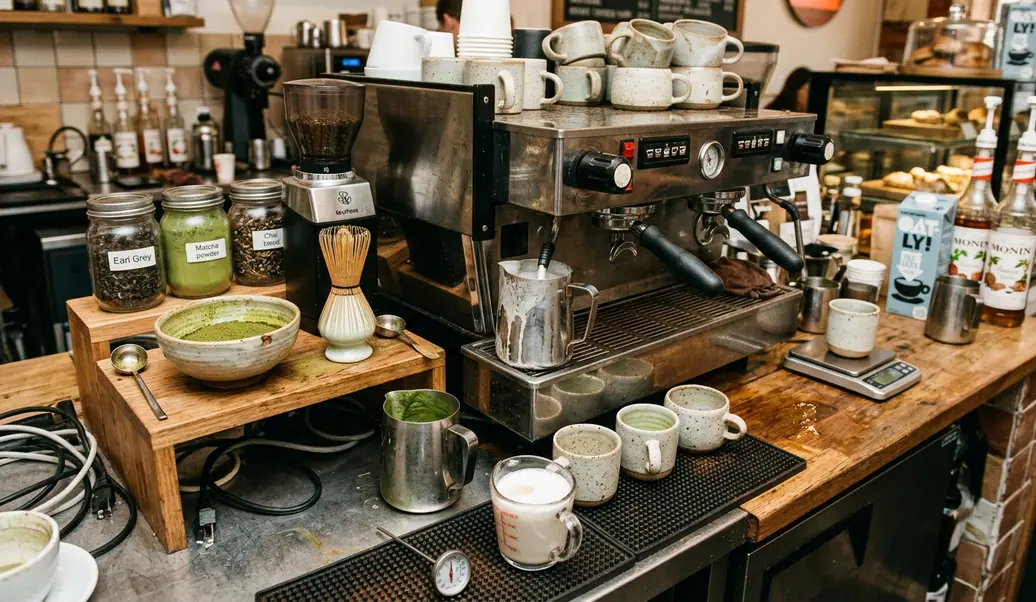
Why Do So Many Tea Lattes Taste Flat?
The problem usually hides in the base
The common question is simple: why does a drink with tea, milk, and syrup still taste empty? The answer is that milk changes the drink more than most beginners expect. It adds weight and softness, but it also mutes the sharper notes that make tea recognizable.
Black tea loses some of its brisk edge. Green tea can lose its fresh aroma. Rooibos keeps color, but its rounded sweetness can disappear under too much milk. The cup may look finished while the flavor underneath has already thinned out.
Key Takeaway: A tea latte should begin as a concentrate, not as a regular mug of tea with milk added afterward.
The editorial choice here is deliberate. Instead of focusing on foam patterns, this guide starts with the physical interaction between water-based tea and milk fats or plant-based lipids. That is where most home lattes improve fastest.
Start With a Tea Base Strong Enough for Milk
Use less water, not endless steeping
When a tea latte tastes weak, the tempting fix is to steep longer. That approach has limits. Extending a steep to 8 or 10 minutes can pull out harsh bitterness before it builds better flavor, especially with black and green teas.
A more reliable method is to brew stronger by using less water. For a single hot latte, steep 4 to 5 grams of loose leaf tea, or 2 standard tea bags, in 2.5 ounces of 205°F water for 4 to 5 minutes. That small volume creates a base with enough color, aroma, and tannin to remain present after milk joins the cup.
Beginner-friendly tea choices
- Black tea: The classic café profile. It brings malt, tannin, and enough structure for dairy milk or oat milk.
- Chai: Best when you want spice and structure in the same cup. It gives beginners more forgiveness because the spices carry aroma.
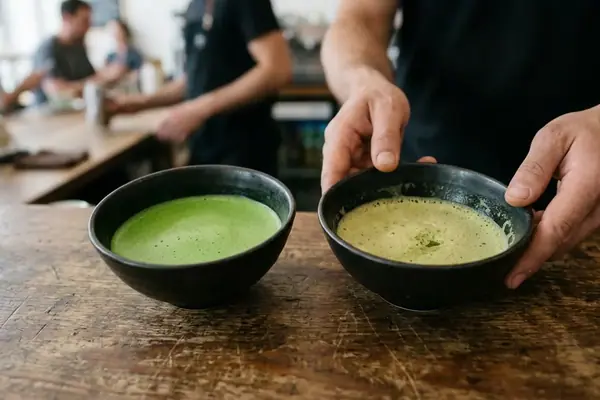
- Matcha: Grassy, rich, and direct. Since the powdered tea stays in the drink, it does not behave like steeped leaf tea.
- Hojicha: Roasted and soft, with less grassy sharpness than many green teas. It works well when the goal is warmth rather than briskness.
- Rooibos: Naturally caffeine-free with enough body for milk. It is useful for evening lattes and softer flavor profiles.
If you are new to tea lattes, start with black tea, chai, or rooibos before moving into more delicate bases. Matcha and hojicha are rewarding, but they make technique more visible.
Choose Milk for Body, Not Just Foam
Foam is optional; body is not
Many people judge a latte by the foam cap. That is understandable, but foam is not the part that rescues a thin drink. Body does the more important work. Milk changes the weight of the sip, the way aroma releases, the sweetness you perceive, and the finish that stays after swallowing.
Dairy milk gives a rounded, familiar texture and pairs especially well with black tea and chai. Oat milk works well for many beginners because it brings mild sweetness, good body, and a low tendency to fight tea flavors. Its lipid structure can mimic the mouthfeel of whole dairy more closely than thinner plant milks.
Soy milk can be useful when you want more substance, though its bean-like flavor may show up in delicate teas. Almond milk often feels lighter and can add a nutty edge that does not suit every base. Coconut milk brings obvious aroma, so it works best when that flavor is part of the plan rather than an accident.
Heat gently for sweetness and texture
Warm the milk into the 140°F to 150°F range, or 60°C to 65°C. In that window, the milk tastes sweeter and fuller without pushing the proteins too far. Overheated milk can taste flat, cooked, or oddly separate from the tea.
Pro Tip: If you do not own a frother, warm the milk carefully and whisk it briefly. A smooth body matters more than a tall foam layer.
Sweeten the Latte Without Burying the Tea
Sweetness should connect, not cover
Sugar can make a weak tea latte more pleasant, but it cannot make it taste more like tea. The sweetener should bridge the tea and milk, not hide a base that was too diluted from the start.
Liquid sweeteners work better than granulated sugar in this drink because they mix quickly into the hot tea concentrate. Granules can settle at the bottom once milk thickens the drink, leaving a gritty final sip.
- Simple syrup: Clean sweetness when you want the tea to stay central.
- Honey syrup: Floral and rounded, especially useful with matcha or rooibos.
- Maple syrup: Warm and woodsy, a natural partner for hojicha.
- Vanilla syrup: Softens black tea, matcha, and rooibos without demanding attention.
- Brown sugar syrup: Deepens black tea and chai with a café-style finish.
- Condensed milk: Sweet, dense, and creamy; use it when richness is the point.
For an 8-ounce hot latte, begin with about 7 to 10 grams of liquid sweetener, roughly 0.25 to 0.35 ounces. Stir it into the hot tea concentrate before adding milk, then taste the finished drink before increasing the amount.
Flavor Pairings That Make Sense
Match the accent to the tea
A flavored tea latte works best when the accent follows the tea’s natural direction. The goal is not to build the longest syrup list. It is to choose one flavor that helps the tea sound clearer.
- Black tea: Vanilla, brown sugar, cardamom, or cinnamon. These match its malty, oxidized notes.
- Matcha: Vanilla, honey, or strawberry. These soften its grassy richness without turning it muddy.
- Hojicha: Maple, caramel, or toasted sesame. These lean into its roasted character.
- Rooibos: Orange, vanilla, or baking spices. These support its naturally sweet, woody profile.
Beginners often stack flavors because café menus make it seem normal: vanilla plus caramel plus spice plus drizzle. That can be fun, but it also makes balance harder to learn. Start with one accent and let the tea do more of the work.
Warning: A large syrup pour will not fix a weak brew. It will usually create a sweeter weak brew.
Small accents go a long way when the tea base is strong. Use micro-doses such as 1 to 2 drops of vanilla extract or a small pinch of ground cinnamon. That is often enough to make the drink feel styled without turning it into dessert.
A Basic Tea Latte Method You Can Repeat
The beginner ratio
Use a 1:2 ratio of tea concentrate to milk: 2.5 ounces of brewed tea with 5 ounces of textured milk. This gives an 8-ounce drink once sweetener is included and the cup has a little headroom.
Step-by-step method
- Pre-warm the cup so the drink does not lose heat immediately.
- Brew the tea strong in a small amount of water: 2.5 ounces is the target for one serving.
- Strain loose leaf tea or remove the tea bags at the end of the steep.
- Stir the liquid sweetener into the hot tea concentrate while the water phase is still clear and easy to mix.
- Warm and texture the milk to 140°F to 150°F.
- Combine the tea concentrate and milk, then taste before adding more syrup.
The sequence matters. Sweetener integrates more evenly in the hot tea concentrate than it does after milk has created a denser emulsion. This small ordering choice prevents the heavy, sweet bottom layer that shows up in rushed lattes.
Notes by tea format
- Loose leaf: Weigh 4 to 5 grams when possible. If you cannot weigh it, use a deliberately generous portion rather than extending the steep aggressively.
- Tea bags: Use 2 standard bags for one latte base. Remove them on time to avoid papery bitterness.
- Matcha powder: Whisk the powder into a smooth concentrate before adding milk. Do not treat it like steeped tea.
- Chai concentrate: Taste the concentrate before sweetening. Some versions already carry significant sugar and spice.
- Rooibos: Use it when you want caffeine-free body and a forgiving base for vanilla or orange.
Common Beginner Mistakes and Quick Fixes
Troubleshoot in preparation order
Fix the water extraction first. Then adjust milk. Then adjust sweetener. If you reverse that order, you may cover the problem without understanding it.
| Symptom | Primary Cause | Immediate Adjustment |
|---|---|---|
| Watery or weak tea flavor | Too much brewing water diluting the base | Reduce steep water to exactly 2.5 ounces per serving. |
| Harsh, bitter finish | Water too hot or steep time too long for the tea | Shorten the steep, and drop green tea bases from 205°F to 175°F. |
| Thin texture | Milk lacks body or the tea base is too diluted | Switch milk type, use slightly less tea water, or warm milk more carefully. |
| Sweet but dull flavor | Syrup is covering a weak tea base | Strengthen the concentrate before increasing the sweetener. |
A watery latte usually needs more tea presence, not more garnish. A bitter latte asks for restraint: shorter steeping, lower heat for green tea, or a tea style that tolerates milk better.
Where the Rules Bend
Ratios are a starting point
Tea latte preferences are personal and culturally varied. Some traditions simmer tea and milk together. Some café drinks lean sweet and dessert-like. Others use almost no sweetener at all. There is no single correct milk, tea style, or sweetness level.
This guide is calibrated for hot home and casual café-style lattes, not professional beverage formulation or medical nutrition advice. Within that scope, the ratios give you a stable baseline rather than a rigid formula.
If you move from an 8-ounce cup to a 12-ounce travel mug, scale the tea concentrate up to 4 ounces before increasing milk. If you prepare an iced version, reduce the milk volume by 1.5 to 2 ounces because ice melt will dilute the drink. Failing to account for that melt is one of the quickest ways to lose the tea flavor.
Varying the sweetener type based on the lipid content of the chosen milk also helps. A richer milk may need a cleaner syrup. A thinner milk may benefit from brown sugar syrup or condensed milk, depending on the tea. For ingredient-level nutrition comparisons, USDA FoodData Central is a useful reference.
Start with the method, then adjust with intention. A good tea latte does not need to be complicated; it needs a tea base strong enough to survive the milk.