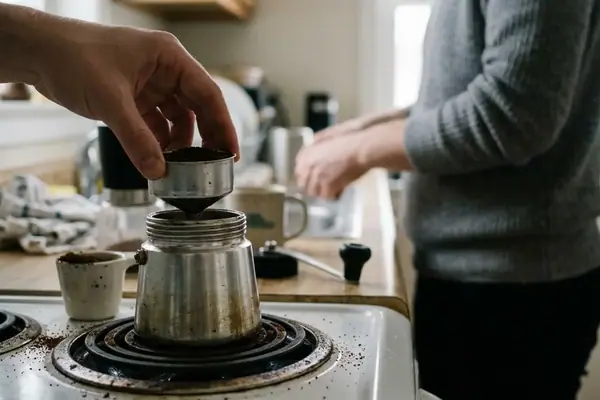
Table of Contents
- Why a Simple Café Menu Can Feel So Complicated
- First Pass: Choose the Kind of Order Before the Specific Item
- How to Decode the Drink Section Without Knowing Café Jargon
- Read Food Items by Appetite, Timing, and Messiness
- Use Price as a Clue, Not as a Judgment
- Ask One Useful Question Instead of Interrogating the Menu
- What a Café Menu Cannot Fully Tell You
- Three Fast Examples: What to Order When You Are Unsure
Why a Simple Café Menu Can Feel So Complicated
The menu is not the problem; the pressure of choosing quickly is.
Most café decisions happen in a compressed little theater: a queue behind you, a chalkboard above the register, a pastry case glowing beside your elbow, and drink names that may or may not mean what they meant at the last café. Based on activity logs, the span from stepping to the register to completing the transaction often runs only about 45 to 90 seconds. That is not much time to decode appetite, caffeine, price, timing, and social pressure.
This article uses a reading method, not a rulebook. The goal is not to memorize every drink or become fluent in café shorthand. The goal is to walk in, scan cleanly, and make a choice that fits the visit you are actually having.
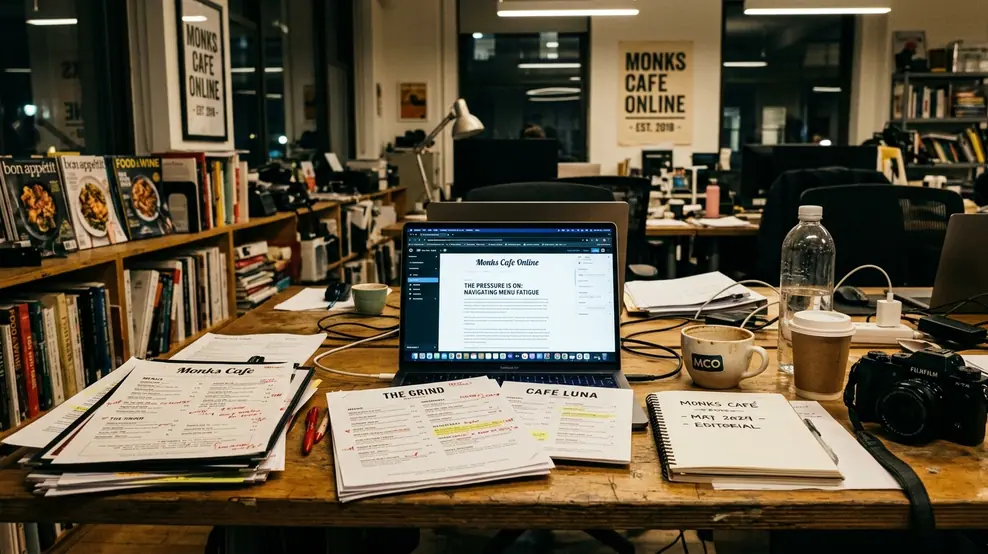
Start with the room, not the board
When I read a café menu for work, I do not begin with the fanciest item. I begin with the practical conditions: how much time the customer has, whether they need caffeine, whether they can sit, and whether the food needs a fork.

Key Takeaway: A confident café order usually comes from narrowing the situation first, then choosing the item.
First Pass: Choose the Kind of Order Before the Specific Item
Before comparing a latte to a cappuccino, decide what kind of order this visit requires. This lowers decision fatigue because it turns a wide menu into a short list.
The first scan
Look for categories before names: coffee, espresso drinks, tea, cold drinks, breakfast, lunch, sweets, sides. Some cafés organize these clearly. Others scatter them across boards, paper menus, and the pastry case. Ignore the layout at first and sort the offer in your head by purpose.
A quick decision ladder works well:
- Drink only: caffeine, hydration, or comfort.
- Snack: something small enough to eat without resetting the day.
- Full meal: enough structure to replace breakfast or lunch.
- Treat: pleasure first, fuel second.
- Something to linger over: a drink or food item that suits reading, talking, or laptop time.
Quick-Scan Menu Translation Guide
| Visit Purpose | Menu Section to Scan | Expected Wait Time |
|---|---|---|
| Quick Caffeine Fix | Batch Brew / Cold Brew | Under 2 minutes |
| Lingering & Working | Tea / Pour-over / Large Lattes | 3 to 5 minutes |
| Walking & Eating | Pastry Case / Ready Items | Fastest if ready; longer if toasted |
| Real Lunch | Bowls / Sandwiches / Hot Plates | 10 to 15 minutes for plated hot meals |
This is why a category-first scan beats a vocabulary-first scan. You may not know every drink on the board, but you probably know whether you need to leave in four minutes.
How to Decode the Drink Section Without Knowing Café Jargon
Common question: Do you need to understand espresso language to order well?
No. You need to understand structure.
Think in drink families
Most café drinks fall into a few practical families: espresso plus milk, black coffee, cold coffee, tea, and sweet specialty drinks. Inside the espresso-and-milk family, the main difference is the ratio of coffee, milk, and foam. A latte is softer and milkier. A cappuccino is foamier. An americano is lighter-bodied because espresso is stretched with water. Cold brew is smoother and often stronger-tasting, especially when served black.
There is one important naming trap. Assuming a macchiato always means a large, sweet caramel beverage can lead to surprise when a café serves the traditional version: a small espresso marked with milk. If the menu does not describe it, ask.
Use the modifiers that actually matter
The useful variables are size, milk choice, syrup, ice, decaf, extra shot, and sweetness level. These change the drink more than a poetic menu name does. A standard espresso build takes roughly 30 to 45 seconds, while a manual pour-over requires 3 to 4 minutes, so the preparation method also tells you something about pace.
Pro Tip: If you are unsure about a specialty drink, ask whether it is coffee-forward, milk-forward, or sweet-forward.
Read Food Items by Appetite, Timing, and Messiness
A beginner sees a food menu as a list of nouns: toast, bowl, sandwich, pastry, plate, side, add-on. A practiced café reader sees those words as signals about hunger, utensils, crumbs, wait time, and whether the food can survive a walk back to the office.
Match the item to the physical situation
If you are walking, the pastry case usually matters more than the kitchen menu. If you are sitting with a laptop, avoid anything that drips, flakes heavily, or requires cutting. When you are sharing with a friend, a plate or toast may make more sense than two separate pastries. And if you need a real lunch, a bowl, sandwich, or hot plate is usually a stronger candidate than a sweet baked item.
Timing matters, too. Toasted items typically add 3 to 5 minutes to the wait, while plated hot meals can take 10 to 15 minutes. That is fine when you planned to sit. It feels very different when the meeting starts soon.
Small words can carry large differences
A small plate at a bakery-focused shop may mean a single slice of quiche. At a full-kitchen café, the same phrase may point to a dense, multi-component grain dish. The menu category, the visible kitchen setup, and the price all help interpret the phrase.
Progression path: start with appetite, then timing, then messiness. Advanced tip: look for add-ons. Eggs, greens, yogurt, protein, or a side can turn a light item into a steadier meal without forcing a full lunch order.
Use Price as a Clue, Not as a Judgment
Price is useful, but it should not be treated as a moral verdict on the café or the customer.
Read price within a category. Compare espresso drinks to espresso drinks, toasts to toasts, bowls to bowls. Comparing a black coffee against a grain bowl tells you almost nothing except that they require different ingredients, labor, and preparation time.
What price can signal
- Portion size: a higher food price may indicate a fuller plate rather than a decorative snack.
- Preparation: grilled, toasted, assembled, or plated items often carry more labor than ready-case items.
- Ingredients: produce, proteins, alternative milks, and house components can shift the price.
- Café positioning: some shops price for speed and volume; others price for a slower, kitchen-led experience.
A premium of roughly $1.50 to $2.25 usually indicates house-made syrups or alternative milks rather than just a larger cup size. That does not mean the upgrade is necessary. It means the price may be describing an ingredient choice, not simply cup volume.
The practical move is simple: decide the category first, then read the price differences inside that lane. You will see the menu more clearly.
Ask One Useful Question Instead of Interrogating the Menu
The worst question for a busy barista is also the most natural one: What is good here?
It is too open. Staff can answer better when you give constraints. Try this script: I want something not too sweet and medium-caffeinated; what would you suggest?
High-value questions
- How sweet is this drink compared with a regular latte?
- Is this more strong or more mellow?
- Is this food item filling enough for lunch?
- Does this need to be toasted or cooked?
- Can you make it less sweet?
Forum feedback confirms a pattern café regulars learn early: recommendations improve when the customer offers boundaries. Sweetness, caffeine strength, portion size, wait time, and fillingness are the boundaries that usually matter most.
Warning: Do not rely on menu names for dietary or medical decisions. Ask directly when the stakes are personal.
What a Café Menu Cannot Fully Tell You
Menus are compact documents. They cannot fully reveal portion size, allergen handling, sweetness intensity, or how busy the kitchen is at that moment. Even a clear chalkboard leaves out operational details.
Calorie information, where shown, is only one data point. Federal calorie labeling mandates generally apply only to chains operating 20 or more locations, which is why small independent cafés often do not display the same information. The FDA menu labeling requirements explain that framework for regulated settings.
Limits of menu interpretation
One catch: this reading method falls apart for individuals with severe food allergies, who must bypass menu interpretation entirely and speak directly with the kitchen staff regarding cross-contamination protocols. The same applies to medical needs, strict dietary restrictions, or ingredients that may be hidden in sauces, batters, syrups, and toppings.
Over time, café menus have become more descriptive, especially around milk options and seasonal drinks. Still, exact sweetness and allergen handling remain hard to judge from text alone.