Three cups can land on a café counter looking nearly identical: cold, dark, caffeinated, and sweating through clear plastic. Then you taste them, and the illusion falls apart.
Cold brew can feel soft and cocoa-like. Iced coffee may snap with aroma and acidity. An iced Americano often tastes leaner, sharper, and more clearly tied to espresso. The difference is not branding. It is extraction.
Table of Contents
- Why three iced coffees can taste like completely different drinks
- The quick comparison: method, flavor, body, and best use
- Cold brew: the slow-steeped option for smoothness
- Iced coffee: familiar brewed coffee made cold
- Iced Americano: espresso stretched over cold water
- Caffeine, strength, and acidity: where assumptions go wrong
- How to choose the right one at a café
- What this comparison cannot tell you from the menu alone
Why three iced coffees can taste like completely different drinks
When I trained baristas, the fastest way to untangle the cold coffee menu was to stop describing the cup and start describing the base liquid. What went into it first: steeped concentrate, brewed coffee, or espresso?
That question matters because cafés often build cold beverage menus around one extraction variable: temperature versus time. Cold brew is defined by a long steep. Iced coffee is brewed coffee served cold. An iced Americano begins as espresso and gets stretched with cold water and ice.
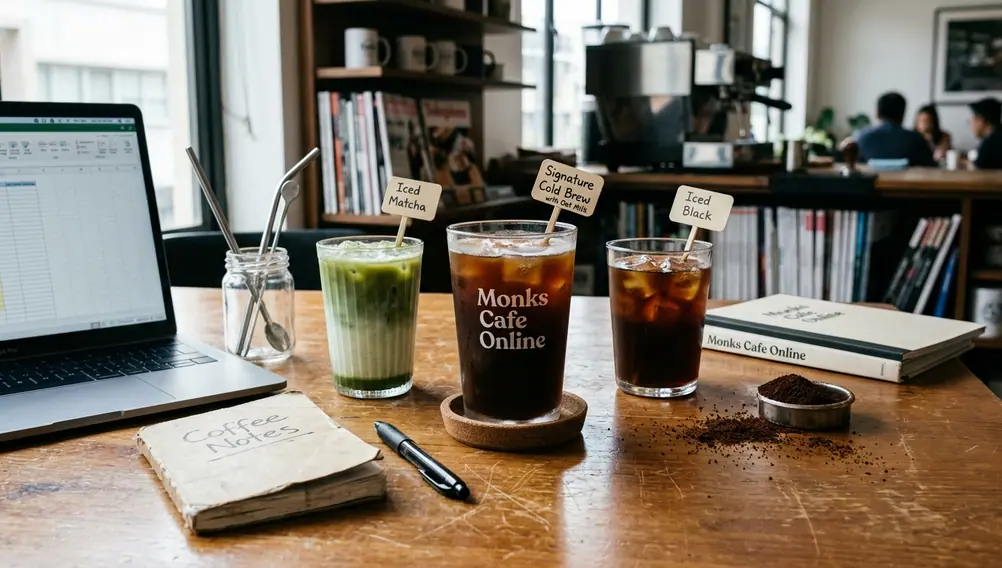
A useful order starts with the experience you want. Choose for smoothness, brightness, strength, speed, or how well the drink will hold milk and syrup. Do not choose by color alone.
Key Takeaway: These drinks look similar because they are served cold and black, but they are built from different bases. That base shapes flavor before ice, milk, or sweetener enters the cup.
The quick comparison: method, flavor, body, and best use
Here is the short version I wish more menus printed. It will not predict every café recipe, but it will get you much closer than guessing from the name.
| Feature | Cold Brew | Iced Coffee | Iced Americano |
|---|---|---|---|
| Brew method | Coarse coffee grounds steeped in cold or room-temperature water, often 14 to 18 hours. | Hot water brew served chilled, poured over ice, or flash-chilled directly over ice. | Espresso shots diluted with cold water and served over ice. |
| Typical flavor | Smooth, mellow, chocolatey, sometimes nutty or caramel-like. | Brighter, more aromatic, crisp, and closer to hot brewed coffee. | Roasty, sharp, espresso-led, and more direct. |
| Mouthfeel | Rounded and dense, especially when served from concentrate. | Medium to light, depending on dilution and brew strength. | Thinner than milk drinks, with espresso clarity. |
| Caffeine variability | High variability because concentrate ratio, serving size, and dilution matter. | Depends on brew strength and cup size. | Depends mainly on the number of espresso shots. |
| Dilution risk | Usually managed by diluting concentrate before service or over ice. | Melting ice can noticeably soften flavor unless the recipe accounts for it. | Water is part of the recipe, not just meltwater. |
| Ideal drinker | Someone who wants smoothness, low perceived acidity, or a sturdy base for milk. | Someone who likes brewed coffee aromatics and a brighter finish. | Someone who wants espresso flavor without milk. |
Barista educators often sort these beverages by base liquid during training: concentrate, batch brew, or espresso. That sounds small until a busy rush hits, when the wrong base can turn a bright iced coffee order into a flat cold brew substitute.
Cold brew: the slow-steeped option for smoothness
What happens in the pitcher
Cold brew starts with coarse grounds and cold or room-temperature water. The slurry sits for many hours, then gets filtered and served over ice, cut with water, or mixed with milk.
Time defines the drink. Not the fact that it is cold when handed to you.
In many café recipes, steeping runs 14 to 18 hours, often at ambient water temperatures around 68°F to 72°F. Those numbers explain the personality of the cup. Low-temperature extraction moves slowly, so the drink tends to emphasize round body and muted bitterness rather than the quick aromatic lift of a hot brew.
What it tends to taste like
Roasters commonly choose coffees with chocolate, nut, caramel, or dried-fruit qualities for cold brew because those notes survive the format well. Bright, fruity acids from lighter roasts may not come through with the same clarity.
This is why cold brew is often the safest recommendation for someone who says coffee upsets their palate because it tastes too sharp. That does not make it automatically healthier, gentler for every stomach, or better coffee. It means the sensory profile usually feels smoother.
Pro Tip: If you add oat milk, cream, or a heavier syrup, cold brew usually holds its coffee flavor better than a thinner iced drink.
Iced coffee: familiar brewed coffee made cold
The common question is simple: is iced coffee just hot coffee with ice? Sometimes, yes. The better answer is that iced coffee is brewed coffee served cold, and cafés get there in more than one way.
It may come from drip, batch brew, pour-over, or flash-chilling. Hot water extracts aromatic compounds and sharper acidity quickly, which is why iced coffee can taste brighter than cold brew even when both use the same bean.
Why flash-chilling changed the drink
Many operators moved toward brewing directly over ice to preserve aromatics. In that method, part of the brewing water is replaced by ice in the carafe, commonly around a third to 40 percent of the total brewing water weight. The hot coffee lands on the ice, chills quickly, and finishes at a drinkable strength instead of becoming weak after the fact.
That shift solved a real flavor problem. Some cafés brewed hot batches and refrigerated them overnight, but stale aromatics and flat sweetness made the cup less lively by morning.
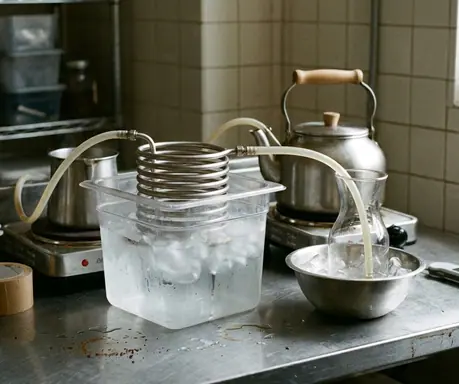
The dilution issue is where iced coffee wins or loses. Pour standard-strength hot coffee over a full cup of ice and the flavor softens fast. Brew it stronger, or flash-chill it with the ice already built into the recipe, and the drink keeps its structure.
Warning: Do not assume iced coffee is always yesterday’s hot coffee. A flash-chilled cup can be one of the most aromatic cold options on the menu.
Iced Americano: espresso stretched over cold water
An iced Americano begins with espresso. That one detail separates it from iced coffee, even when both arrive black, cold, and unsweetened.
A common build dilutes a standard 36 to 40 gram double shot of espresso into roughly 8 to 10 ounces of cold water. Baristas may add cold water and ice first, then pull espresso over the water so the crema integrates gently and the temperature change is less abrupt.
How it drinks
Expect a more direct espresso flavor: roasty, compact, and sometimes sharper on the finish. It usually has a thinner body than a latte or iced cappuccino because there is no milk foam or dairy fat to round the edges. Compared with cold brew, it has less of that slow-steeped roundness.
This is the drink I suggest when someone likes espresso but does not want milk on a hot afternoon. It is quick to make, easy to customize by shot count, and less sweet by default than many cold café drinks.
The common confusion is understandable. An iced Americano is not iced coffee in a different cup. The base is espresso, and espresso extraction creates a different concentration, texture, and flavor curve than brewed coffee.
Caffeine, strength, and acidity: where assumptions go wrong
A drink can taste strong without having the most caffeine. That single sentence clears up a surprising number of cold coffee arguments.
Cold brew often tastes dense because cafés may brew it as a concentrate. Beverage directors then calibrate dilution ratios before service, sometimes cutting a dense concentrate with equal parts water before it reaches the cup. The final caffeine level depends on the concentrate ratio, serving size, and dilution.
Iced coffee works differently. Its caffeine depends on brew strength and cup size. An iced Americano depends mainly on the number of espresso shots, so a two-shot version and a three-shot version are meaningfully different orders.
From what I have seen behind the counter, many drinkers still use darkness as a shortcut for caffeine. That shortcut is shaky. Roast level, extraction method, and recipe all interfere with the guess.
Acidity is not the same as caffeine
Cold brew usually has lower perceived acidity because cold extraction pulls a different balance of compounds from the grounds. Iced coffee may taste brighter because hot water extracts acidity and aromatics quickly. Iced Americanos can taste sharp because espresso is concentrated and roasty, not because they always carry more caffeine.
One catch: caffeine extraction is highly dependent on the specific roast profile and water temperature used by the individual café. A cold brew at one shop might yield less caffeine than an iced drip at another. If caffeine sensitivity is part of your decision, the FDA guidance on caffeine intake is a better reference point than color, foam, or cup size alone.
How to choose the right one at a café
Start with the job you want the drink to do. A commuting coffee has different requirements than a slow patio drink with milk and a syrup.
- Choose cold brew for smoothness. It is the best fit when you want a mellow black coffee, a sturdy base for cream, or a drink that will not get too sharp as the ice melts.
- Choose iced coffee for brightness. Pick it when you like brewed coffee aromatics, a cleaner finish, or the taste of a particular roast served cold.
- Choose an iced Americano for espresso clarity. Order it when you want the flavor of espresso without milk and without the weight of cold brew.
- Choose cold brew for heavier add-ins. Menu consultants often pair it with dairy and sweet syrups because its dense mouthfeel keeps the coffee from disappearing.
- Choose iced coffee for a hot afternoon when you still want lift. Flash-chilled versions can taste crisp and refreshing.
- Choose an iced Americano when speed matters. Espresso, water, and ice make it one of the most straightforward cold black coffee orders.
Pro Tip: If the menu is unclear, ask one practical question: is this made from cold brew concentrate, flash-chilled coffee, or espresso shots?
That question sounds like coffee-nerd shorthand, but it is polite, fast, and useful. It tells the barista what distinction you care about without asking them to recite the whole menu.
What this comparison cannot tell you from the menu alone
No menu category can tell the whole story. Roast level, grind, water chemistry, brew ratio, storage time, and café recipe standards can all change the final drink.
This is where confident rules need a little humility. A careful flash-chilled iced coffee can taste smoother than a poorly diluted cold brew. A bright cold brew can happen if the coffee and recipe support it. An iced Americano can taste balanced or harsh depending on the espresso and the barista’s build.
The practical scope
This guide compares typical café preparation styles and practical sensory expectations, not exact standardized recipes. That is intentional. Most people ordering at a neighborhood counter do not have access to micron grind sizes, alkalinity readings, or the exact brew ratio written on the back bar.
So use the categories as a map, not a verdict. Cold brew points toward smoothness. Iced coffee points toward brewed-coffee brightness. Iced Americano points toward espresso clarity.
From there, taste the shop in front of you.