Why Your Coffee Tastes Punishing Instead of Pleasant
If your coffee keeps tasting harsh, are the beans really to blame?
That question shows up most often after a confusing morning: the same bag tasted round and pleasant on Tuesday, then sharp and drying on Thursday. Nothing dramatic changed. The grinder sat in the same spot, the kettle boiled as usual, and the mug looked exactly right. Then the first sip landed like burnt toast and aspirin.
Bitterness feels mysterious because it often arrives as inconsistency. A coffee can move from balanced to punishing with a small shift in water temperature, grind size, brew time, or ratio. The beans matter, of course, but bitter coffee is often a brewing-process problem more than a character flaw in the coffee itself.
I have seen this most clearly in training settings, where two people used the same coffee and got two very different cups. The difference was rarely dramatic gear. It was the mechanics: a finer grind, a hotter first pour, a brew that ran too long, or a basket that had quietly collected old oils.
The useful move is not to blame the bag first. It is to find the one variable most likely to be pushing the cup from pleasant into harsh.
Criteria for Selection: What Counts as a Real Brewing Mistake
What earns a place on this list?
Not every imperfect cup needs a technical investigation. For this guide, a real brewing mistake is a repeatable choice that often creates bitter, dry, burnt, woody, or medicinal flavors and can be diagnosed at home without specialized tools like refractometers.
The selection criteria are deliberately practical:
- High likelihood: the mistake shows up often in everyday brewing.
- Easy diagnosis: you can check it with normal home equipment.
- Low-cost fix: the answer should not require buying expensive gear.
- Method range: the issue should matter across common brewing methods, not just one niche recipe.
We initially considered organizing the list by brewing method, but the same core problems kept appearing across pour-over, French press, automatic drip, and immersion brewers. Grind, heat, time, contact, and cleanliness do most of the work.
The guidance here draws on observable café workflow patterns, basic extraction principles, everyday home-brewing case scenarios, and public resources such as the Specialty Coffee Association brewing best practices. That does not make every cup identical. It simply gives us a grounded way to sort likely causes before chasing rare ones.
Key Takeaway: A brewing mistake is worth fixing first when it is common, easy to test, and likely to change the flavor without changing the whole setup.
Before You Change Everything: What This List Can and Cannot Diagnose
This is a brewing-stage guide. It is not a full sensory lab diagnosis.
The scope matters because bitter coffee can come from several places the home brewer cannot always correct. This list addresses bitterness caused by brewing choices, not green coffee defects, roasting errors, severe storage abuse, dirty café equipment outside the reader’s control, or personal sensitivity to bitter compounds.
One catch: these adjustments assume the use of beans resting roughly a week to a month off roast. Older beans will often taste woody or flat regardless of how carefully the brew is executed. If the coffee smells papery before water touches it, the brewing recipe may not be the main problem.
The recommendations also reflect common contemporary home-brewing practice and accessible consumer equipment. A kitchen kettle, a burr grinder, a basic scale, and a timer are enough to make the checks useful. You do not need to turn breakfast into a laboratory.
The 8 Coffee Brewing Mistakes Most Likely to Turn Coffee Bitter
-
1. Starting With Water That Is Too Hot
Symptom: The cup tastes burnt, sharp, or medicinal from the first sip.
Why it happens: Water temperatures above roughly 205°F (96°C) during the initial pour can pull harsh flavors quickly, especially from coffees that already extract easily. Darker roasts extract bitter compounds much faster than lighter roasts, so a 200°F water temperature might be comfortable for a light roast but too aggressive for a dark one.
Quick fix: Let the kettle settle briefly before pouring, especially with darker roasts. If the cup is only slightly harsh, even a couple of degrees Fahrenheit off the kettle temperature can be a useful first test.
-
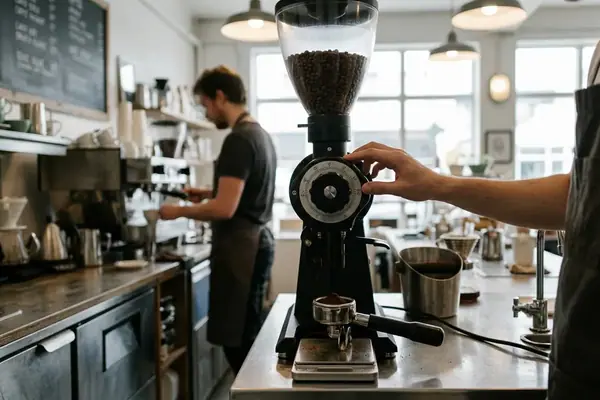
2. Grinding Too Fine for the Brew Method
Symptom: The coffee feels heavy, dry on the tongue, and unpleasantly strong even when the ratio looks normal.
Why it happens: A finer grind increases the surface area exposed to water. For standard immersion methods, grind sizes finer than about 800 microns can push extraction too far when the contact time stays unchanged.
Quick fix: Move the grinder one notch coarser and keep everything else the same. Do not change the water temperature at the same time; adjusting the grind size coarser while simultaneously dropping the water temperature can create a sour cup that hides the original bitterness issue.
-
3. Letting the Brew Run Too Long
Symptom: The first sip may seem strong, but the finish turns dry, woody, or hollow.
Why it happens: Coffee keeps giving up soluble material as water remains in contact with the grounds. Past a certain point, the cup stops gaining sweetness and starts collecting harsher compounds.
Quick fix: Shorten total contact time by 15 to 20 seconds. With a French press, pour it off sooner. With pour-over, adjust the grind slightly coarser if the water drains too slowly.
-
4. Stretching the Coffee-to-Water Ratio Too Far
Symptom: The coffee tastes thin and bitter at the same time, which is one of the more frustrating combinations.
Why it happens: Brew ratios stretching past 1:18 coffee-to-water can make the water work too hard on too little coffee. Instead of tasting clean and light, the cup can taste extracted and weak.
Quick fix: Tighten the ratio before assuming the beans are bad. Use a little less water or a little more coffee, then keep the grind and brew time steady for the next test.
-
5. Brewing Through Old Coffee Oils
Symptom: The bitterness tastes stale, greasy, or rancid rather than pleasantly roasty.
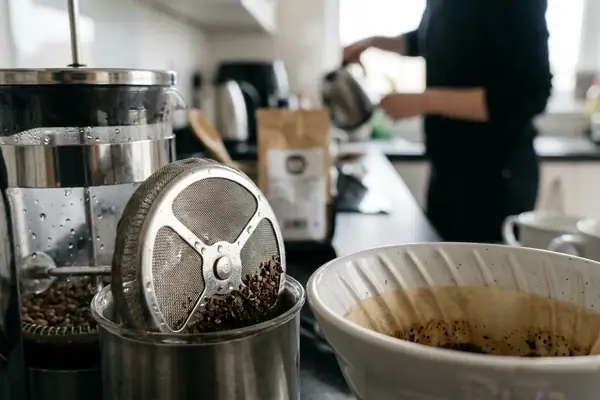
Why it happens: Brew baskets, grinder chutes, French press screens, and carafes collect oils. Those oils do not stay neutral. Over time, they turn a fresh cup into something that tastes older than the beans are.
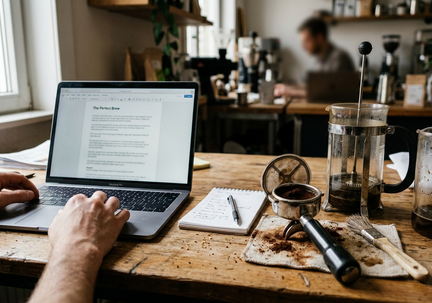
Quick fix: Clean the burr grinder path, brew basket, filter holder, and serving vessel before changing the recipe. This is the least glamorous fix and often the fastest one.
-
6. Agitating the Coffee Bed Too Aggressively
Symptom: The cup tastes muddy, heavy, and harsh, especially near the bottom.
Why it happens: Stirring, swirling, or pouring hard can send fine particles through the brew bed and increase contact between water and tiny fragments of coffee. Some agitation helps even saturation. Too much makes the brew harder to control.
Quick fix: Pour more gently and limit stirring to what the recipe actually needs. If the cup immediately tastes cleaner, agitation was probably part of the problem.
-
7. Ignoring Uneven Saturation
Symptom: The cup tastes confusing: sharp in one sip, bitter in the next, and never quite sweet.
Why it happens: Dry pockets and overworked channels can exist in the same brew. Some grounds give up very little; others get over-extracted. The final cup blends those problems together.
Quick fix: Make sure the grounds are evenly wet early in the brew. In a pour-over, aim for controlled, even pours. In immersion brewing, give the slurry a measured stir rather than a frantic one.
-
8. Using One Recipe for Every Roast
Symptom: A recipe that works beautifully for one bag tastes harsh with the next.
Why it happens: Roast level changes how quickly coffee gives up flavor. Darker roasts often need a gentler approach than lighter roasts. Treating every bag the same can make a good coffee taste blunt and bitter.
Quick fix: For darker roasts, start by lowering water temperature slightly or shortening contact time. For lighter roasts, avoid making both changes unless the cup clearly asks for it.
The Fastest Troubleshooting Order for a Bitter Cup
When a cup turns bitter, the temptation is to change five things before the next brew. That feels productive. It also makes the cause nearly impossible to identify.
In practice, the most useful troubleshooting sequence starts with the checks that waste the least coffee and require the least adjustment. Work in this order:
- Clean the equipment. Remove rancid oils from the burr grinder, brew basket, press screen, and carafe.
- Check water temperature. Keep the initial pour below 205°F, especially for darker roasts.
- Grind coarser. Move one notch at a time and leave the ratio alone.
- Shorten brew time. Reduce total contact time by 15 to 20 seconds.
- Adjust the ratio. If the cup is still thin and bitter, avoid stretching beyond 1:18 coffee-to-water.
Warning: Do not change every variable at once. If you clean the brewer, drop the temperature, grind coarser, and shorten the brew all in one morning, you may fix the bitterness and lose the reason why.
Bitter Coffee Isolation Checklist
- Clean the burr grinder and brew basket to remove rancid oils.
- Verify water temperature is below 205°F before pouring.
- Coarsen the grind setting by one notch.
- Reduce total brew time by 15 to 20 seconds.
- Check whether the ratio has stretched past 1:18 coffee-to-water.
Pro Tip: Keep a two-line brew note for three cups in a row: grind setting on one line, brew time on the next. That tiny record is often enough to show what changed.
A Better Cup Usually Starts With One Small Adjustment
Bitter coffee does not automatically mean bad beans, bad taste, or bad equipment.
Most home brewers get more from a small, patient adjustment than from a full morning overhaul. Choose the mistake that sounds most familiar. If the cup tastes burnt, check heat first. If it tastes dry and heavy, look at grind and time. If it tastes stale before it tastes strong, clean the gear.
The goal is not perfection. It is noticing what changed.
That is the quiet pleasure of brewing better coffee at home: the cup becomes less mysterious, and the morning routine starts answering back.