Your Morning Coffee Could Become Another Chore
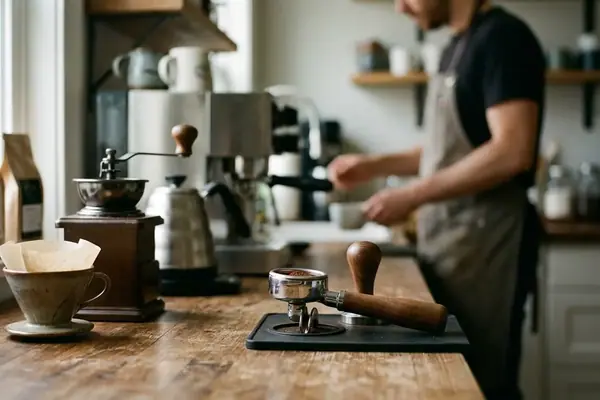
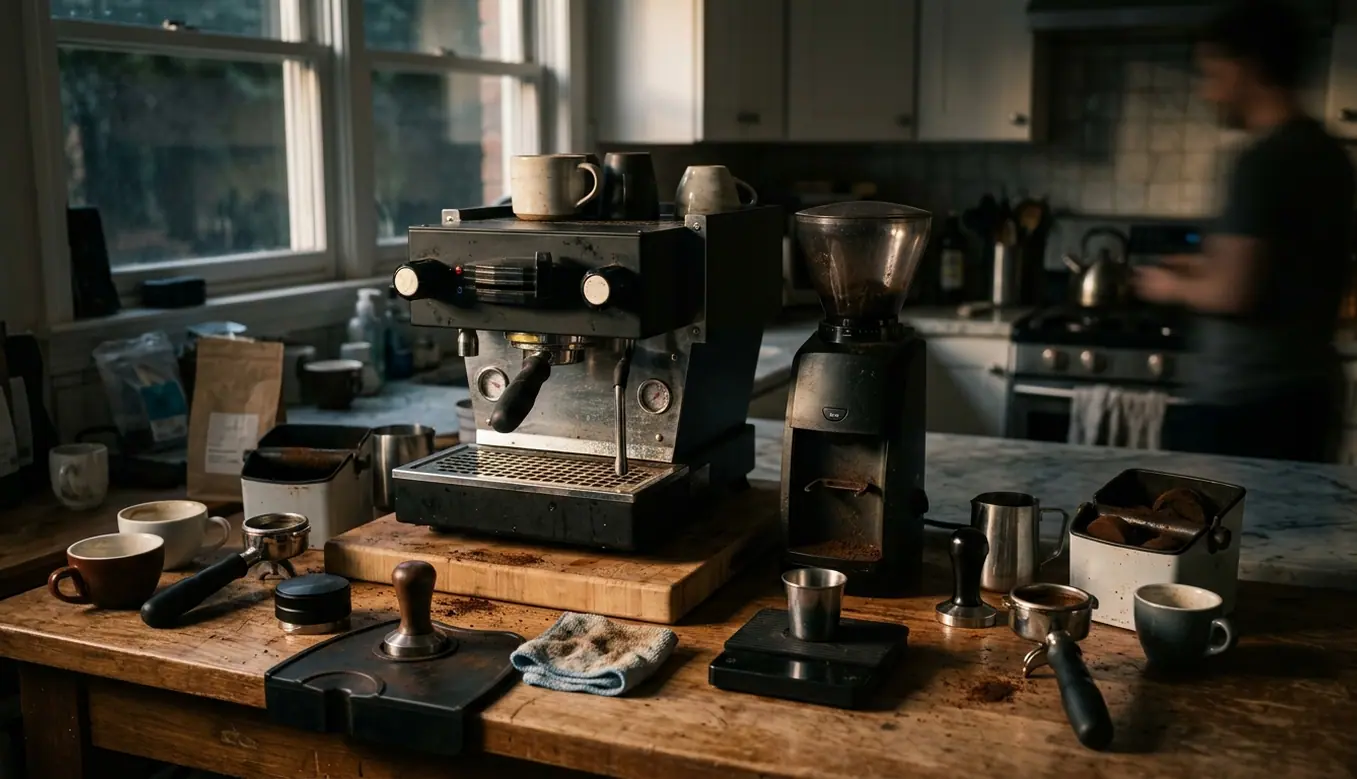
Picture a weekday morning with an empty cup, a machine waiting to warm up, and yesterday’s portafilter still holding damp grounds. You need to leave soon. The espresso setup that looked inviting on Sunday now asks for attention before you have had any caffeine.
That is the morning I would use to judge a purchase. A leisurely weekend leaves room for experimenting; a departure deadline exposes every extra task.
Drinking espresso and preparing it offer different pleasures. You might love a café flat white while finding little satisfaction in weighing beans, adjusting a grinder, or wiping a steam wand. Equally, those small tasks might become the most enjoyable part of your home café.
The buying question is whether the whole routine fits. Money, kitchen space, and morning attention all belong in that calculation.
The Machine Is Only One Part of the Purchase
What belongs in an espresso budget? Start with three categories, keeping optional accessories separate from equipment your chosen machine actually needs.
- Initial equipment: the machine, a suitable grinder if one is not included, a scale, and a milk pitcher if you plan to steam milk.
- Recurring supplies: beans, approved cleaning products, and any water-treatment supplies specified for the setup.
- Occasional servicing: replacement seals, other wear parts, and repair or service charges.
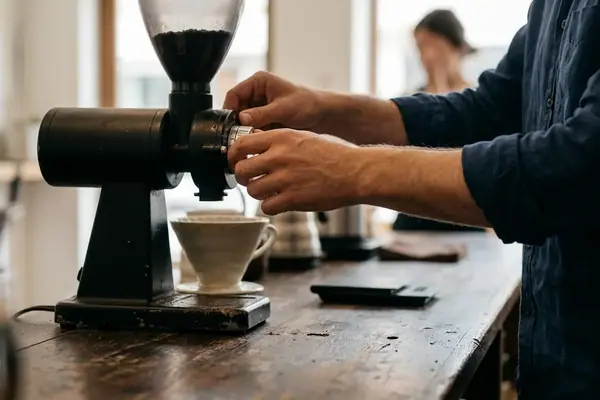
For a conventional machine with an unpressurized basket, the grinder deserves serious attention. Its adjustment range helps control how water travels through the coffee. A grinder suitable for filter brewing may lack the fine adjustments that espresso requires.
That equipment picture changes with built-in grinders, pod machines, and fully automatic machines. Compare the actual configuration you intend to buy rather than borrowing someone else’s accessory list.
Count Replaceable Cups
List current equipment prices, then estimate ongoing purchases separately. When considering savings, count only café drinks you would genuinely stop buying. Coffee with a friend may remain part of your café culture regardless of what sits on the counter.
A Good Shot Takes More Than Pressing Brew
A beginner needs a repeatable sequence before chasing a particular flavor. Keep the first coffee brewing sessions simple enough that you can explain what changed between cups.
- Grind the beans and measure the dry coffee dose.
- Distribute the grounds in the basket and tamp consistently.
- Brew while measuring the beverage yield, meaning the liquid collected in the cup.
- Taste, note the result, and change one variable for the next attempt.
Grind setting affects resistance to water flow. Dose changes the amount of coffee in the basket, while yield changes how much beverage you collect from it. A new bag of beans can require fresh adjustments even when your technique stays steady.
Keep a brief record of dose, yield, grind setting, and taste. Once the sequence feels comfortable, those notes help you distinguish a deliberate adjustment from an accidental change. Basket design, coffee, and taste preferences shape the useful starting point rather than a universal recipe.
For cappuccinos and flat whites, add milk steaming to the learning plan. Heating milk and controlling its texture require practice alongside pulling the shot—especially when both need to reach the cup together.
The Routine Continues After the Cup Is Full
The drink may be ready before the job is finished.
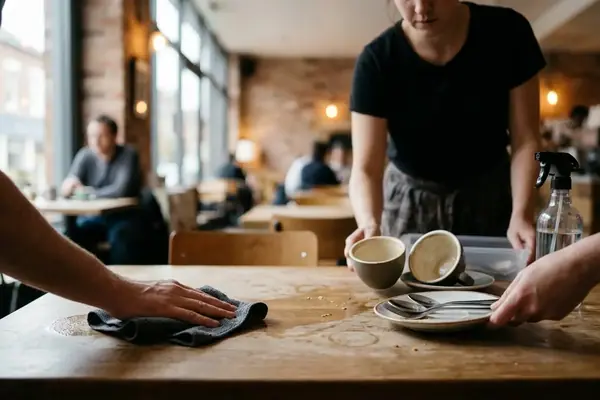
Immediate cleanup includes removing spent grounds, caring for the basket and portafilter, emptying the drip tray as needed, and dealing with splashes. If you steam milk, promptly wipe and purge the wand according to the machine’s instructions; milk residue can dry onto hot metal.
Periodic maintenance belongs on a separate schedule. Water management, internal cleaning, and replacement parts depend on the machine’s design and your water supply.
Read Before Descaling
Download the specific model’s manual before buying. Check approved cleaning products, whether it supports backflushing, and whether the manufacturer recommends descaling. A procedure demonstrated on another machine may be unsuitable for yours.
Compare those tasks with your existing habits. Someone who happily clears the kitchen each evening may absorb them easily; someone already leaving dishes until morning should account for another set of wet parts.
Measure the Working Space, Not Just the Machine
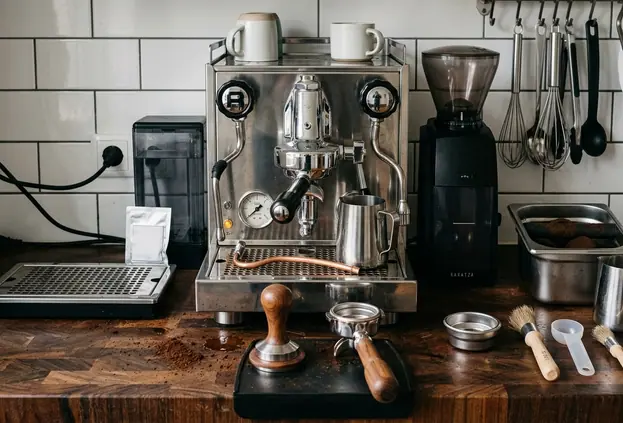
A machine can fit beneath a cupboard and still be awkward to use. Tape out the brewer and grinder footprints, then rehearse the movements around them.
- Leave working room for the scale, cups, pitcher, and tamping.
- Check overhead clearance for opening and filling the water reservoir and bean hopper.
- Find a place to set down a wet basket or portafilter.
- Walk the route to the sink and grounds bin.
In a shared kitchen, check what happens when someone else needs the counter. Equipment stored between uses adds unpacking, positioning, and putting away to every session. Include those movements when judging convenience.
Choose a Simpler Brewer if Espresso Is Not the Goal
Start with the drink you want, then choose the preparation you enjoy.
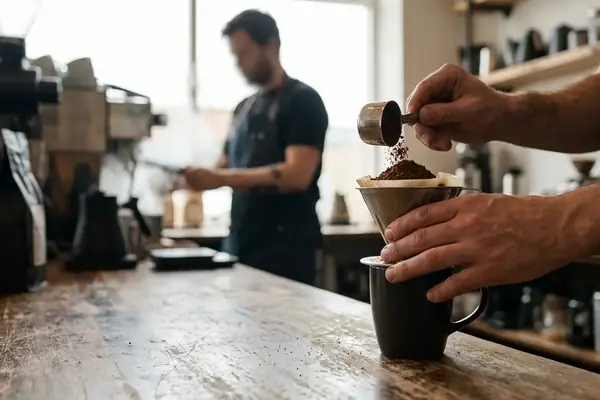
- Filter brewing: a natural choice for a straightforward black-coffee routine.
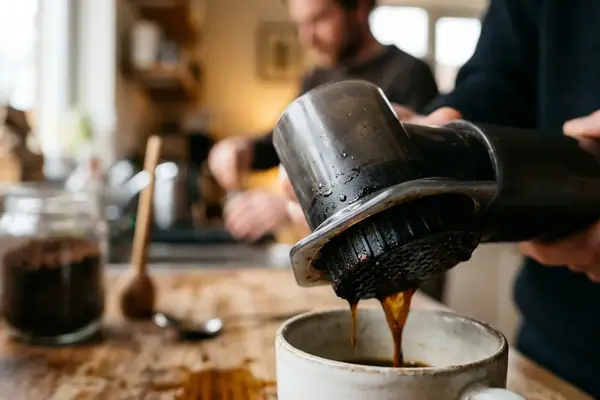
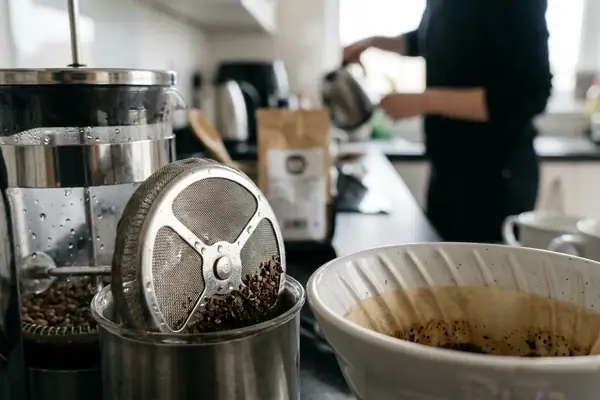
- Immersion brewing: useful when you prefer steeping coffee to managing espresso extraction.
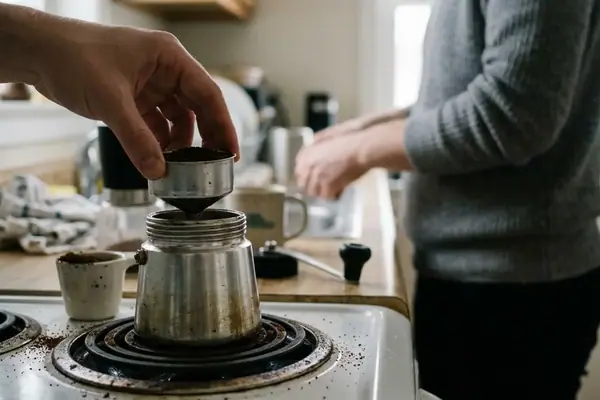
- A moka pot: an option for concentrated, heavy-bodied coffee.
For a milk drink, concentrated brewed coffee paired with a separate milk frother may satisfy the craving. Expect a different result from café espresso: the brewing process and milk texture will shape a different cup.
These alternatives deserve consideration on their own terms. A simpler brewer can suit a household better even when the espresso machine fits its budget.
Buy the Espresso Routine You Actually Want
Before ordering, write out a weekday sequence from switching on the machine to leaving the counter clean. Include warm-up, preparation, milk if wanted, and cleanup.
- Do you enjoy preparing the drink?
- Will you clean the equipment after using it?
- Is the counter usable with everything in place?
- Does the budget cover supporting equipment and ongoing supplies?
Buying, postponing, and choosing a simpler brewer are all reasonable outcomes. Which routine will you choose for the morning when you have to leave on time?